


Education · 6 min read
How to Soften Honey the Right Way
It’s natural for honey to go hard. Fortunately, you can melt the honey again. But soften the honey wrong and you kill the good stuff. Here’s the right way…
 By Zoe
Updated 20 Nov 2026

Education · 6 min read
How to Soften Honey the Right Way
It’s natural for honey to go hard. Fortunately, you can melt the honey again. But soften the honey wrong and you kill the good stuff. Here’s the right way…
By Zoe
Updated 20 Nov 2026

Education · 6 min read
How to Soften Honey the Right Way
It’s natural for honey to go hard. Fortunately, you can melt the honey again. But soften the honey wrong and you kill the good stuff. Here’s the right way…
By Zoe
Updated 20 Nov 2026
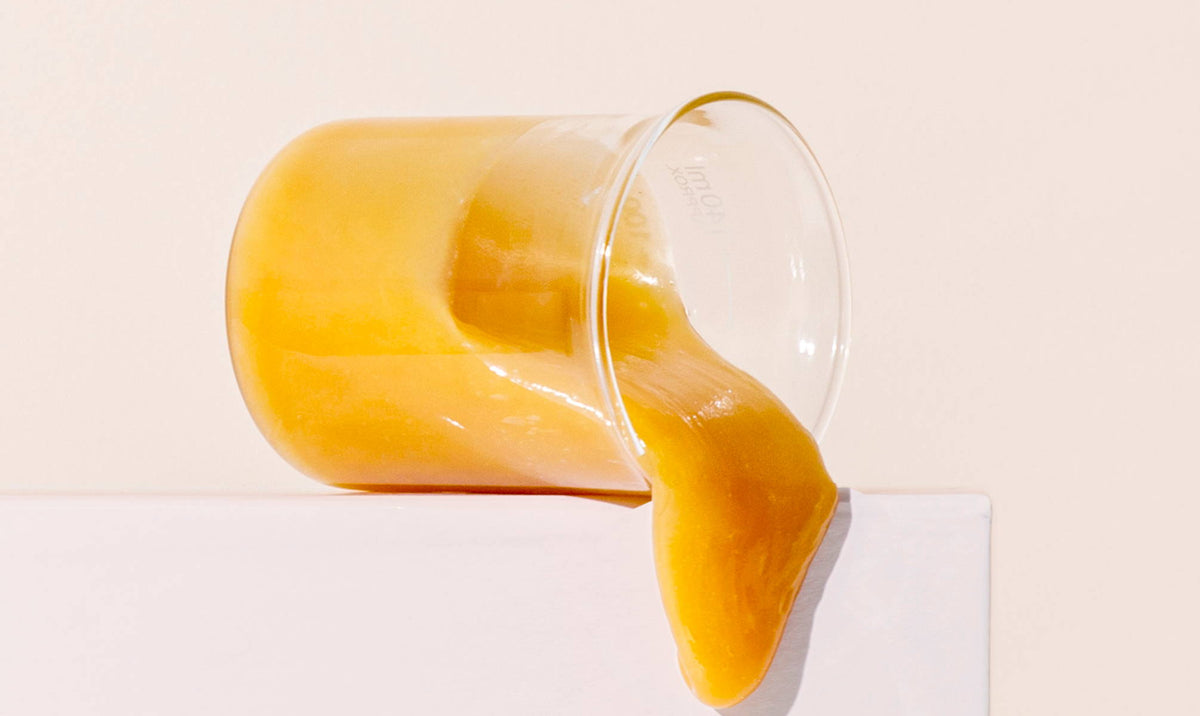
Hard honey? Here’s how to soften it in a jar, a plastic container or a squeeze bottle, without losing the good stuff.
Essential Takeaways
- A warm water bath is the best way to soften hard honey. It’s gentle and gives you the most control.
- Keep the water warm, not hot. Around 95°F (35°C) is ideal for Manuka honey.
- The same method works for glass jars, plastic containers and squeeze bottles, with a few small tweaks.
- Skip the microwave, the saucepan and the sunny windowsill. They heat honey unevenly.
- Only need a spoonful? Soften just that, not the whole jar.
You reach for the honey and find it’s set firm. The spoon barely goes in.
Don’t worry. Hard honey is completely normal, and it’s easy to fix.
The trick is doing it gently. Heat honey too fast or too hot, and you can affect the naturally occurring compounds that make Manuka honey special.
So in this guide we’ll walk through:
- How to soften honey in a warm water bath
- How to soften honey in a plastic container or squeeze bottle
- How to soften just a spoonful
- How long it takes
- What not to do when softening honey
Curious why honey goes hard in the first place? We cover the science, storage and safety in Why Does Honey Crystallize? This guide is all about getting your honey soft again.
Is Your Honey Hard or Just Cold?
Before you start, check what you’re dealing with.
- Firm and smooth: Our Manuka honey is creamed, so it naturally firms up when it’s cool. Often it just needs a warmer spot in the house, like a kitchen cupboard away from drafts, and it will soften on its own.
- Grainy or gritty: Larger crystals have formed. A warm water bath is the way to go.
- Sour smell, foam or a watery layer on top: This points to fermentation, which softening won’t fix.
How to Soften Honey in a Warm Water Bath
This is our top recommendation. It’s gentle, it works for any honey, and it gives you the most control over temperature.
Here’s how to do it:
- Check the lid. Make sure your jar is closed tightly so no water gets in.
- Prepare the bath. Fill a bowl or pot (off the stove) with warm water, around 95°F (35°C). It should feel warm, not hot, on your wrist. If you’re using water from a kettle, let it cool down first.
- Add your honey. Place the jar in the bowl. Aim for the water to come about halfway to three-quarters up the jar.
- Wait, then stir. After 10 to 15 minutes, take the jar out, dry it off, and give the honey a slow stir with a clean, dry spoon. Stirring spreads the warmth evenly.
- Close, top up and repeat. Put the lid back on tightly, swap in fresh warm water as it cools, and repeat until the honey is as soft as you’d like.
Gentle heat works slowly, and a few fine crystals may remain. That’s perfectly fine. Your honey is ready to enjoy.
Tip: dry the outside of the jar before it goes back in the cupboard. Water around the lid can find its way inside.
How to Soften Honey in a Plastic Container or Squeeze Bottle
Good news: the warm water bath works for plastic too. A few tweaks help.
- Keep the water warm, not hot. Hot water can soften or warp thin plastic.
- Squeeze and roll. With a squeeze bottle, gently massage the bottle between soaks to break up firm patches.
- Keep the cap closed and stand bottles upright so the cap stays above the waterline.
Choose a good-quality, food-grade container. Our Manuka honey comes in airtight, food-grade rPET jars, ideal for both storing and softening honey. We only deal with real.
Tip: If you’d rather skip the softening altogether, our MGO 50+ squeezy honey is made for easy pouring.
How to Soften Just a Spoonful
Only need a little for your tea or toast? There’s no need to warm the whole jar.
- Warm the spoon, not the honey. Dip a clean metal spoon in warm water, dry it, then scoop. The warm spoon glides through firm honey.
- Soften a small portion. Spoon what you need into a small heatproof cup and stand it in warm water for a few minutes.
- Let your drink do the work. Stir firm honey straight into tea or lemon water once it has cooled enough to sip comfortably.
Softening only what you need also means less repeated warming for the rest of the jar.
How Long Does It Take to Soften Honey?
It depends on how firm your honey is, how big the jar is and how warm the water stays.
- Creamed honey that’s firmed up in the cold: often a few hours in a warmer spot, or 10 to 20 minutes in a warm water bath.
- A small jar of grainy honey: usually 30 to 60 minutes in a warm water bath, with a few water changes.
- A large tub or very hard honey: can take an hour or more. Patience pays off here.
Resist the urge to speed things up with hotter water. Slow and gentle is the right way.
What Not to Do When Softening Honey
A few shortcuts are tempting, but they’re not worth it.
Don’t microwave honey
Microwaves heat unevenly. Some parts of the honey can get very hot while others stay firm, and it’s hard to control the temperature.
Don’t heat honey in a saucepan
Direct heat from the stove can quickly overheat honey, especially at the bottom of the pan. It can also change the flavor and color.
Don’t use boiling water
Boiling water is far hotter than honey needs. Stick to warm water around 95°F (35°C).
Don’t leave it in the sun
A sunny windowsill might seem gentle, but you can’t control how hot it gets, and direct sunlight isn’t good for honey.
Don’t add water to the honey
Stirring water in might seem like an easy way to loosen it, but extra moisture can lead to fermentation.
Frequently Asked Questions
What’s the best way to soften hard honey?
A warm water bath. Place the closed jar in a bowl of warm water, around 95°F (35°C), stir every 10 to 15 minutes, and top up the water as it cools.
How do you soften Manuka honey?
The same way, gently. If it’s just firm from the cold, try moving it to a warmer spot in the house first. If it’s grainy, use a warm water bath and keep the water around 95°F (35°C).
Can you microwave honey to soften it?
We don’t recommend it. Microwaves heat unevenly and make it easy to overheat honey.
How do you soften honey in a plastic bottle?
Keep the cap closed and stand the bottle upright in warm (not hot) water. Gently squeeze and roll the bottle between soaks until it flows again.
How long does it take to soften honey?
Anywhere from 10 minutes to over an hour, depending on how firm the honey is, the size of the container and how warm the water stays.
Can you soften honey more than once?
Yes. Gently warming honey a few times is generally fine, but there’s little research on repeated warming. Softening only what you need keeps it to a minimum.
Get Pure, Raw Manuka Honey That’s Easy to Soften
We cream our Manuka honey for a smooth texture. Creaming guides crystallization so the crystals stay fine. It will still firm up when it’s cool, but fine crystals make it easier to soften again.
Every jar of our UMF™ graded Manuka honey is independently tested and certified, traceable, and packed in airtight rPET jars.
Suggested further reading

Does Honey Help a Dry Cough?
That tickly, nagging dry cough that won't quit can wear anyone down. Here's what's actually behind honey's reputation as a cough reliever, and how...
How to Make Manuka Honey Lollipops at Home
Turn pure, UMF™ certified Manuka Honey into soothing homemade lollipops. This simple recipe is a natural, better-for-you treat the whole family can enjoy.
Garlic and Honey Benefits: A Beginner's Guide
Curious about garlic and honey but don't know where to start? This beginner's guide breaks down the benefits, a simple fermentation method, and why...
