


Education · 10 min read
Why Does Honey Crystallize? And How to Fix Crystallized Manuka Honey
Honey crystallization is a natural process that pure honey goes through. It’s easy to fix, but only if you get there in time. Here’s why, and how to do it.
 By Zoe
Updated 20 Nov 2026

Education · 10 min read
Why Does Honey Crystallize? And How to Fix Crystallized Manuka Honey
Honey crystallization is a natural process that pure honey goes through. It’s easy to fix, but only if you get there in time. Here’s why, and how to do it.
By Zoe
Updated 20 Nov 2026

Education · 10 min read
Why Does Honey Crystallize? And How to Fix Crystallized Manuka Honey
Honey crystallization is a natural process that pure honey goes through. It’s easy to fix, but only if you get there in time. Here’s why, and how to do it.
By Zoe
Updated 20 Nov 2026
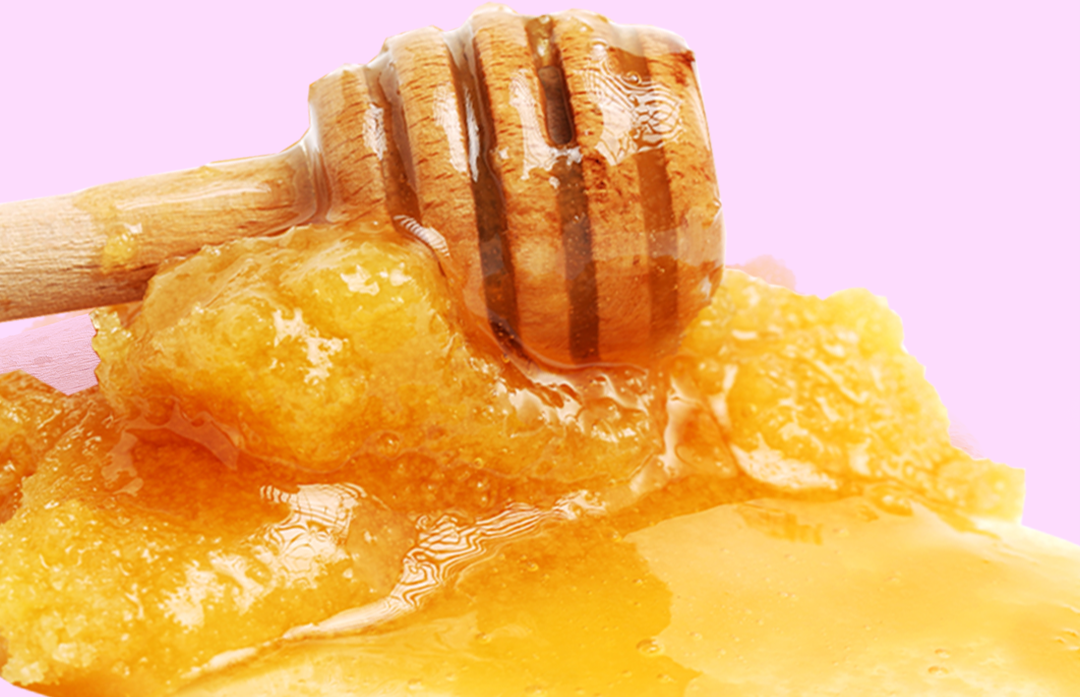
Essential Takeaways
- Honey crystallization is natural. Honey holds more sugar than water, so over time the glucose separates out and forms crystals.
- Crystallized honey hasn’t spoiled. A gentle warm water bath softens it again.
- Heat is the bigger concern for Manuka honey. Never microwave it or heat it in a saucepan.
- Store Manuka honey at room temperature in an airtight jar. Cold makes it firmer.
- Manuka honey texture ranges from smooth and creamy to thick and granular. Both are normal.
Beekeepers have a name for crystallized honey: set honey.
That sounds a little final, doesn’t it?
Finding a jar of crystallized honey in the cupboard can feel like a bad sign. But crystallization is a perfectly natural process, and it’s very common in raw honey.
It certainly doesn’t mean you have to throw your jar away.
The one thing to watch for is fermentation. Once honey ferments, its flavor changes for good. The good news? Good storage helps prevent it.
In this guide, we’ll cover why honey crystallizes, why Manuka honey crystallizes, whether crystallized honey is safe to eat, how to store Manuka honey, and how to decrystallize honey gently.

Manuka Honey UMF™ 20+ | MGO 829+
Your health is important. After all, you only get one body. This UMF™ 20+ high-grade Manuka Honey is packed with nutrients and essential vitality to help you live your best li…
Shop NowWhy Does Honey Crystallize?
Honey is made mostly of two natural sugars, glucose and fructose, plus a little water. It has far more sugar than water. There isn’t enough water to keep all that sugar dissolved.
Over time, the glucose separates out and forms tiny honey crystals. These crystals act as seeds for more crystals. The process carries on until the honey sets.
Fructose stays dissolved much more easily than glucose. So the glucose-to-fructose ratio is one of the biggest factors in how fast honey crystallizes. More glucose usually means faster crystals.[1]
Every honey is a little different, but here’s a rough idea of what’s inside (average values for honey): fructose 38.5%, glucose 31.0%, water 17.1%, maltose 7.2%, trisaccharides and other carbohydrates 4.2%, sucrose 1.5%, and minerals, vitamins and enzymes 0.5%. (Add water 17.1% to the existing chart.)
Why Does Manuka Honey Crystallize?
Manuka honey crystallizes for the same reason other raw honeys do. It’s naturally high in sugar and low in water.
Raw honey that hasn’t been heavily heated or ultrafiltered also keeps tiny natural particles, like pollen. These give crystals something to form around.
So if your Manuka honey has crystallized, it’s not a fault. Just keep in mind that crystallization on its own doesn’t prove a honey is pure. Independent grading like UMF™ is the way to check that.
What Is the Normal Texture of Manuka Honey?
Manuka honey is a wild-sourced natural product, so its texture can vary quite a bit. Season, moisture, processing, floral source, the temperature of your home and even different batches all play a part.
A few general points to keep in mind:
- Thicker than regular honey: Manuka honey usually has a smooth, creamy texture. It’s often thicker than standard supermarket honey.
- Texture changes with temperature: In cooler conditions Manuka honey is firmer. When gently warmed, or in summer, it’s easier to spread or pour.
- Some honey is creamed: Producers often crystallize honey on purpose for a smoother, more consistent texture. More on that below.
Does Crystallization Affect MGO?
Crystallization is a change in texture. We’re not aware of evidence that it reduces MGO (methylglyoxal) content.
Heat is the bigger concern. High temperatures can affect some of the naturally occurring compounds in Manuka honey. That’s why we recommend warming it gently and keeping it below about 95°F (35°C).
Tip: if you want the goodness of Manuka honey without the thick consistency, check out our MGO 50+ squeezy honey.

Manuka Honey UMF™ 24+ | MGO 1122+
For those times in life when quality comes first. This pure UMF™ 24+ Manuka Honey is powerfully active, sourced from wild and rugged locations around Aotearoa New Zealand and …
Shop NowWhat Makes Honey Crystallize Faster?
Raw honey tends to crystallize more than heavily processed honey. It comes down to the honey’s natural makeup and how it changes over time.
Every variety crystallizes differently. Some barely crystallize, some set quickly, and crystal size varies too. Scientists have tried to predict it, with limited success.[2]
The main factors that affect how fast raw honey crystallizes:
- Botanical origin. The flowers bees visit shape the glucose-to-fructose ratio. Some honeys barely crystallize. Others set within weeks.
- Water content. Moisture plays a part, but not in a simple way. It interacts with the honey’s sugars, thickness and temperature, which is why two jars can behave so differently.[1]
- Storage temperature. Honey tends to crystallize fastest in cool conditions, roughly 50 to 59°F (10 to 15°C).[1] Temperature also affects crystal size. Honey frozen at -4°F (-20°C) forms fine crystals, while honey at 68°F (20°C) forms coarser ones.[3]
- Natural particles. Pollen grains and tiny beeswax particles give crystals something to grow around. Fine filtering removes many of them.
Heating and fine filtering can slow crystallization.[4] But they can also remove some of the naturally occurring compounds people value in raw honey. That’s why we keep processing to a minimum.
With a little care, Manuka honey can be enjoyed in all sorts of ways, from your morning tea to your skincare routine.
Is Crystallized Honey Safe to Eat?
Yes. Crystallized honey hasn’t gone bad. It tastes the same, just with a bit of crunch. Plenty of people prefer it that way on toast.
One important exception for all honey: never give honey of any kind to babies under 12 months old.
The thing to watch for is fermentation.
Honey is hygroscopic, which means it absorbs moisture from the air. As glucose crystallizes out, the liquid left between the crystals holds slightly more water. That extra moisture can let natural sugar-tolerant yeasts start to ferment the sugars, producing alcohol and carbon dioxide.[1] Over time, it can turn sour.
And that doesn’t taste great.
Signs Your Honey Has Fermented
- A sour, yeasty or alcohol-like smell
- Foam or bubbles on the surface
- A thin, watery layer on top of the crystals
Warming honey won’t undo fermentation. The flavor has changed for good, so we’d suggest replacing the jar. The best defense is good storage, which we cover next.
Does Manuka Honey Expire?
Honey keeps for a long time thanks to its low moisture and natural acidity. Our jars carry a best-before date as a guide to peak quality. Crystallization on its own isn’t a sign your Manuka honey has expired. If it smells and tastes like honey, with no signs of fermentation, it’s good to enjoy.
How to Store Manuka Honey
Pure honey crystallizes because of its natural makeup. But you can slow it down, and good storage also helps prevent fermentation.
The best way to avoid crystallized honey at home? Use it up!
The next best way is to store it properly:
- Keep it airtight. A tightly sealed lid stops honey absorbing moisture from the air. Our rPET jars are ideal for this.
- Keep it out of direct sunlight. A cupboard or pantry is perfect.
- Keep it at room temperature. Aim for around 64 to 75°F (18 to 24°C).
- Use a clean, dry spoon. Water or crumbs in the jar can encourage crystals and fermentation.
Can You Refrigerate Manuka Honey?
There’s no need to. Cold makes Manuka honey firm and hard to scoop. For an easy-to-spread texture, room temperature is best. (If your honey ever feels too runny on a hot day, a short spell in the fridge will firm it up.)
Even when you do everything right, your honey may still crystallize. That’s where creaming helps.
How We Keep Our Manuka Honey Smooth
Heating and pasteurizing honey can delay crystallization. But high heat can affect the good stuff in Manuka honey.
So how do we keep our honey smooth without high heat?
We cream it.
Creamed honey is made by mixing fine “seed crystals” into liquid honey, then storing it cool. Creaming doesn’t stop crystallization. It guides it. The seed crystals help the honey form lots of tiny crystals instead of large, gritty ones. The result is smooth, spreadable honey with its flavor intact.
Because crystallization is natural, Manuka honey may still change texture over time. If it does, here’s how to soften it.
How to Decrystallize Honey Gently
Want to know how to fix crystallized honey? The good news is you can. Your honey is still perfectly good to eat.
You just need to warm it gently to soften the crystals. Go slowly to look after the naturally occurring compounds in Manuka honey.
Avoid the microwave and the saucepan. Both heat unevenly and can easily overheat honey.
Here’s how to decrystallize honey with a warm water bath:
- Warm it up gently. With the lid on, place your jar in a larger bowl. Fill the bowl with warm water, around 95°F (35°C). Don’t use boiling water, and don’t heat honey directly in a pan.
- Stir slowly. After a few minutes, take the jar out and give the honey a slow stir. If there are still granules, put it back for a few more minutes.
- Repeat as needed. Top up with fresh warm water as it cools, and keep going until the honey is soft enough for you. Gentle heat works slowly, and a few fine crystals may remain. That’s perfectly fine.
How Many Times Can You Decrystallize Honey?
Gently warming honey a few times is generally fine. But there’s little research on repeated warming, so we suggest keeping it to a minimum.
The simplest approach is to enjoy your honey while it’s fresh. Manuka honey is so versatile we’ve come up with over 170 ways to use it, and not just in food!
Get the Real Stuff from New Zealand Honey Co.
Want to know your honey is the real deal? Choose UMF™ graded Manuka honey.
Manuka honey exported from New Zealand must meet a scientific definition set by the government’s Ministry for Primary Industries (MPI). On top of that, our UMF™ graded Manuka honey is independently tested and certified, traceable, and packed full of good stuff.
See what our customers think:
Frequently Asked Questions
In a rush? Here are quick answers about honey crystallization.
Why does honey crystallize?
Honey has much more sugar than water. Over time, the glucose separates out and forms crystals. Speed depends on the honey’s floral source, moisture, processing and storage.
Why does Manuka honey crystallize?
It’s naturally high in sugar and low in water. Raw Manuka honey also keeps tiny natural particles that crystals can form around.
Is crystallized honey safe to eat?
Yes, crystallized honey hasn’t spoiled and tastes the same. Just remember: never give honey to babies under 12 months old.
Does honey go bad when it crystallizes?
No. But if honey ferments (a sour smell, foam, or a watery layer on top), the flavor changes and warming won’t fix it.
Does crystallization affect Manuka honey’s MGO?
Crystallization changes texture. Heat is the bigger concern, so warm Manuka honey gently, below about 95°F (35°C).
How do you decrystallize honey?
Place the closed jar in a bowl of warm (not boiling) water for a few minutes, then stir. Repeat, topping up the warm water, until it’s soft enough for you. Skip the microwave and saucepan.
How long does it take for honey to crystallize?
Anywhere from weeks to months, and some honey barely crystallizes at all. It depends on the honey’s sugars, moisture and storage, and crystallization is usually fastest around 50 to 59°F (10 to 15°C).
Can you refrigerate Manuka honey?
There’s no need. Cold makes it firm and hard to scoop, so room temperature is best for spreading.
Is real honey supposed to crystallize?
Many raw honeys do, and it’s normal. But crystallization alone doesn’t prove purity. For Manuka honey, look for a UMF™ grade.
What is creamed honey?
Honey crystallized in a controlled way, using fine seed crystals and cool storage. It’s smooth and spreadable, with crystals too tiny to notice.
Suggested further reading
- How to tell if your honey is pure
- How to soften honey the right way
- Manuka honey vs regular honey
- What is UMF™ in Manuka honey?
- What is raw and unfiltered honey?
Sources referenced
- Polatidou K, Nouska C, Tananaki C, Biliaderis CG, Lazaridou A. Physicochemical and Rheological Characteristics of Monofloral Honeys: Kinetics of Creaming–Crystallization. Foods. 2025;14(10):1835. doi:10.3390/foods14101835
- Bhandari B, D’Arcy B, Kelly C. Rheology and crystallization kinetics of honey: present status. International Journal of Food Properties. 1999:217–226. doi:10.1080/10942919909524606
- Conforti PA, Lupano CE, Malacalza NH, Arias V, Castells CB. Crystallization of honey at -20°C. International Journal of Food Properties. 2006;9(1):99–107. Full text
- Tosi EA, Ré E, Lucero H, Bulacio L. Effect of honey high-temperature short-time heating on parameters related to quality, crystallisation phenomena and fungal inhibition. LWT – Food Science and Technology. 2004;37:669–678. doi:10.1016/j.lwt.2004.02.005

Does Honey Help a Dry Cough?
That tickly, nagging dry cough that won't quit can wear anyone down. Here's what's actually behind honey's reputation as a cough reliever, and how...
How to Make Manuka Honey Lollipops at Home
Turn pure, UMF™ certified Manuka Honey into soothing homemade lollipops. This simple recipe is a natural, better-for-you treat the whole family can enjoy.
Garlic and Honey Benefits: A Beginner's Guide
Curious about garlic and honey but don't know where to start? This beginner's guide breaks down the benefits, a simple fermentation method, and why...
