


Education · 5 min read
Honey and Cinnamon Together: What the Pairing Really Does
Honey and cinnamon have been paired for centuries, but what actually happens when they're combined? This deep dive explores the properties of each ingredient, how to prepare them, and who stands to benefit most.
 By Zoe
Updated 12 Nov 2026

Education · 5 min read
Honey and Cinnamon Together: What the Pairing Really Does
Honey and cinnamon have been paired for centuries, but what actually happens when they're combined? This deep dive explores the properties of each ingredient, how to prepare them, and who stands to benefit most.
By Zoe
Updated 12 Nov 2026
Education · 5 min read
Honey and Cinnamon Together: What the Pairing Really Does
Honey and cinnamon have been paired for centuries, but what actually happens when they're combined? This deep dive explores the properties of each ingredient, how to prepare them, and who stands to benefit most.
By Zoe
Updated 12 Nov 2026
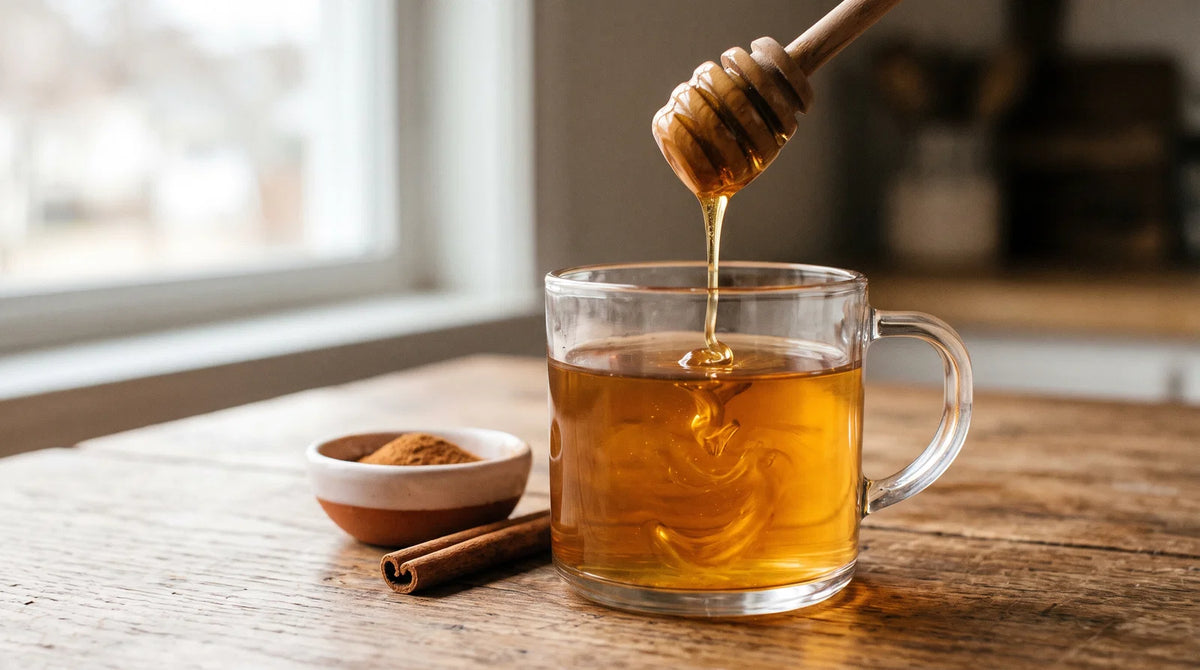
Two ingredients, one jar of honey and a sprinkle of cinnamon, have quietly earned a reputation as one of the most talked-about natural pairings in wellness circles. Walk into any health food store or scroll through wellness forums, and the combination comes up again and again. But beyond tradition and word of mouth, what does combining these two ingredients actually do? And is there a right way to prepare warm water with honey and cinnamon to get the most out of it? This guide takes a closer look at the properties of each ingredient individually, what changes when they're combined, and how to use them as part of a sensible daily routine.
Breaking Down Each Ingredient on Its Own
Honey, particularly Manuka Honey, is traditionally used for its natural antibacterial properties [1]. Manuka Honey contains methylglyoxal (MGO), a compound known to contribute to its antimicrobial activity [2]. This is one of the reasons Manuka Honey has been studied in clinical settings, including as an oral rinse for managing dry mouth symptoms and as a topical treatment supporting wound healing in hospital settings.
Cinnamon, on the other hand, has long been valued in traditional practices for its warming qualities and its role in supporting digestion. It contains plant compounds that many people associate with everyday wellness support. When paired with honey, cinnamon adds flavour complexity and a traditional sense of balance, rounding out honey's sweetness with its own distinct warmth.
My overall everyday experience is totally amazing. I put it into a hot ginger and cinnamon drink in the morning, and on my yogurt and berries and on my toast as well. This starts my day with ultra immunity and healthy protection all day everyday. Use 20+ UMF 829+ MGO in the winter months for extra immunity !! I am grateful for this natural delicious honey. Makes my everyday, sweet as honey!" Thank you Manuka
— Anonymous, Verified customer
A clinical study examining Manuka Honey oral rinse for xerostomia (dry mouth) found that regular use was associated with improvements in both subjective and objective measures of dry mouth, along with high patient satisfaction. While this research focused on honey used on its own rather than combined with cinnamon, it highlights the kind of properties that make Manuka Honey a popular base ingredient in natural wellness routines.
Key Findings: What the Evidence Actually Supports
What We Know So Far
- Manuka Honey's antimicrobial activity is linked to its MGO content, which is independently tested and certified under the UMF™ grading system
- Cinnamon is traditionally used to support digestion and add warming qualities to food and drink
- There is currently limited clinical research specifically on honey and cinnamon combined, most study looks at each ingredient separately
- Honey's properties are best preserved when added to warm, not boiling, water
- Manuka Honey with a verified UMF™ rating offers more consistency and transparency than standard honey or honey blended with cinnamon in commercial products
How to Prepare Warm Water With Honey and Cinnamon
A Simple Everyday Method
-
Warm the water, not boil it
Heat water to a warm, drinkable temperature rather than boiling. Very high heat can break down some of honey's natural compounds.
-
Add cinnamon first
Stir in a small pinch of ground cinnamon (roughly a quarter teaspoon) and let it dissolve into the warm water.
-
Let the water cool slightly
Allow the water to cool to a comfortably warm temperature before adding honey, to help preserve its natural qualities.
-
Stir in the honey
Add a teaspoon of Manuka Honey and stir until fully dissolved.
-
Drink at a comfortable pace
Many people enjoy this as part of a morning or evening routine, sipped slowly rather than rushed.
Who Tends to Get the Most Out of This Pairing
Honey and cinnamon in warm water tends to appeal most to people looking for a simple, natural addition to their morning or evening routine, rather than a dramatic fix. Those exploring natural ways to support digestion after meals often find the combination a pleasant, low-effort habit to build. People who are mindful of what they put into their bodies, and who prefer ingredients they can trace back to source, are often drawn to pairing high-grade Manuka Honey with cinnamon rather than reaching for standard supermarket honey.
I take a lil teaspoon of my honey every other morning or when I'm feeling a little depleted. It's almost a treat! It's smooth and delicious. Almost better than my favorite chocolate!
— Lucy C., Verified customer
It also suits people who already enjoy warm drinks as part of their daily rhythm and are simply looking to make that habit more purposeful. Because Manuka Honey is one of the rarest superfoods, sourced from a flowering window of only two to eight weeks each year in remote New Zealand landscapes, it naturally appeals to those who place value on quality and traceability over convenience alone.
What to Watch Out For
Points Worth Keeping in Mind
- Honey should never be given to children under 12 months of age due to the risk of infant botulism
- People with diabetes or blood sugar sensitivities should speak with a healthcare provider before adding honey to their daily routine, as it is still a source of natural sugars
- This pairing is a wellness habit, not a medical treatment, and should not replace advice or care from a qualified healthcare professional
- Always check for any known allergies to honey, bee products, or cinnamon before trying this combination
What are the benefits of drinking honey and cinnamon in warm water?
Many people use warm water with honey and cinnamon as a simple morning ritual to support digestion and hydration. Manuka Honey adds natural antibacterial properties backed by MGO content, while cinnamon contributes warming, traditional digestive support. Learn more about what makes Manuka Honey unique.
Should I use hot or warm water with honey and cinnamon?
Warm water is recommended over boiling water. High heat can break down some of honey's natural compounds, so it's best to let water cool slightly after boiling before stirring in honey and cinnamon.
Does Manuka Honey make a difference compared to regular honey in this mix?
Yes. Manuka Honey is independently tested and certified under the UMF™ system, which guarantees specific MGO levels on the label. This offers a level of transparency and consistency that regular honey typically does not provide, making it a preferred choice for those focused on quality.
Ready to Try This Pairing With Pure, Authentic Manuka Honey?
Every jar from New Zealand Honey Co. is traceable to the source, independently tested and certified, with guaranteed MGO levels on the label. Support your wellness journey with honey you can trust.
Shop Manuka HoneyReferences
- [1] Matthew Johnston, Michael McBride, Divakar Dahiya, et al. "Antibacterial activity of Manuka honey and its components: An overview". AIMS Microbiology. 2018. DOI: 10.3934/microbiol.2018.4.655
- [2] Elvira Mavric, Silvia Wittmann, Gerold Barth, et al. "Identification and quantification of methylglyoxal as the dominant antibacterial constituent of Manuka (Leptospermum scoparium) honeys from New Zealand". Molecular Nutrition & Food Research. 2008. DOI: 10.1002/mnfr.200700282
How to Make Manuka Honey Lollipops at Home
Turn pure, UMF™ certified Manuka Honey into soothing homemade lollipops. This simple recipe is a natural, better-for-you treat the whole family can enjoy.
Garlic and Honey Benefits: A Beginner's Guide
Curious about garlic and honey but don't know where to start? This beginner's guide breaks down the benefits, a simple fermentation method, and why...
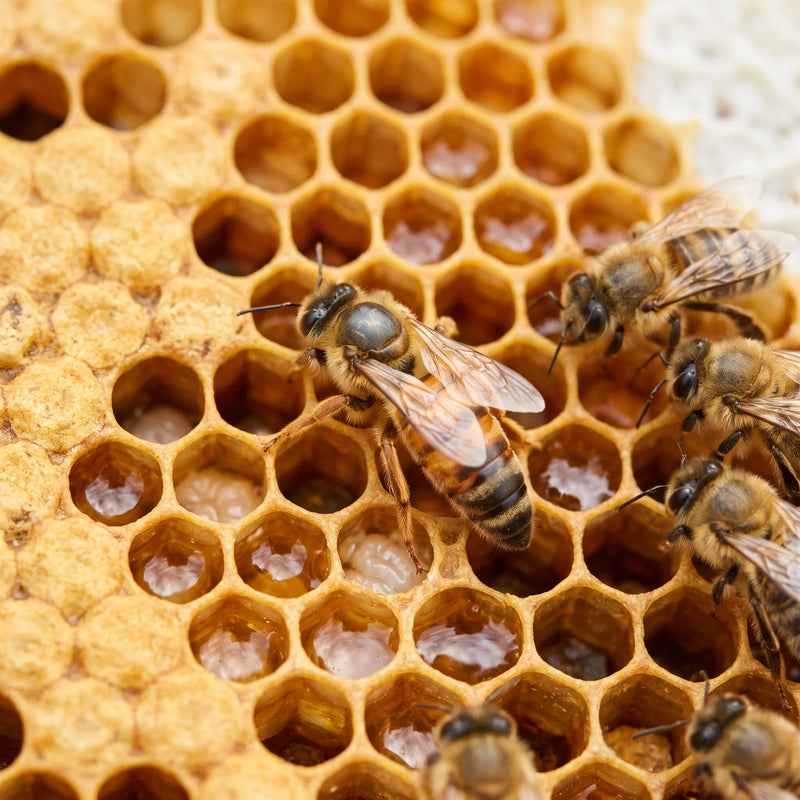
What Does a Queen Bee Look Like? Myths vs Facts
Most people picture a queen bee all wrong. Here's what she really looks like, how long she lives, and why her role in the...
