
EDUCATION
Manuka Honey Kills MRSA: What the Science Says
20 minutes
Essential Takeaways
Laboratory studies show that Manuka honey inhibits and can kill MRSA in-vitro at concentrations of ~5-12.5%, with effectiveness demonstrated in both medical-grade sterilised honey and UMF™-certified and high MGO Manuka honey¹⁴. The critical factor for effectiveness appears to be MGO levels¹⁶, though that’s not the only way it works.
Multiple mechanisms have been identified: Manuka honey disrupts cell division¹⁴, downregulates resistance genes¹³, and destroys biofilms that protect MRSA from conventional antibiotics¹⁵.
Research shows that Manuka honey helps antibiotics like rifampicin and oxacillin to be more effective against MRSA, helping overcome antibiotic resistance and preventing new resistance from developing¹².
Most evidence is laboratory-based, with one animal study showing promise⁷, so while the results are exciting, more research is needed before drawing broader conclusions. Always consult a doctor for MRSA infections and use appropriate honey preparation for wound treatment.
Disclaimer: This article is based on scientific research into Manuka honey's effects against MRSA, primarily from laboratory (in-vitro) studies and one animal study. It is not meant to be used as medical advice. MRSA infections are serious and potentially life-threatening. If you’re exploring Manuka honey MRSA options, use this as a research guide and speak with your healthcare professional before making changes to your care.
MRSA infections are frightening.
Unlike regular staph infections, Methicillin-Resistant Staphylococcus aureus (MRSA) is able to withstand most common antibiotics, turning what might have been a minor cut into a serious (and potentially life-threatening) medical emergency.
And while MRSA in itself is a real issue, the broader picture of antibiotic-resistant infections paints a stark picture:
-
One in six laboratory-confirmed infections worldwide were resistant to antibiotic treatment in 2023, and this number is climbing.¹
-
As of 2019, more than 2.8 million antibiotic-resistant infections occur in the United States each year, resulting in more than 35,000 deaths annually².
-
And this is a global issue. Worldwide, between 1990 and 2021, more than 1 million people died from antimicrobial resistance each year, and this number is steadily rising.³
-
Without stronger action, researchers project more than 39 million lives may be lost by 2050.³
However, the antibiotic pipeline that once promised new solutions has nearly run dry⁵, leaving scientists looking far and wide for new ways to treat MRSA and other antibiotic-resistant infections.
And one natural substance keeps showing promising results: Manuka honey.
It works differently than conventional antibiotics, killing MRSA through multiple mechanisms, and bacteria haven't developed resistance to it.
Sounds promising? Let’s take a closer look…
In this guide to Manuka honey and MRSA:
-
The antibiotic resistance crisis: why we urgently need alternatives
-
How Manuka honey MRSA treatments work through multiple mechanisms
-
What to look for when choosing Manuka honey for MRSA infections and wound care
Key Research Highlights
2024 study
This study tested Manuka honey combined with fusidic acid on MRSA-infected rabbit wounds and found that the combination "improves wound healing by promoting the wound contraction rate" and achieved the fastest wound contraction and shortest healing time compared to using the antibiotic alone⁷.
The researchers also observed the highest collagen content and maximum angiogenesis (new blood vessel formation) in the combination treatment group⁷.
2020 study
This in-vitro study developed Manuka honey microneedles and found that they "demonstrated excellent bactericidal activity against MRSA at concentrations ≥10% of honey"⁸.
Importantly, the researchers discovered that "by using a low pressure and temperature approach, we also demonstrate the retained biologic activity of the honey and the detrimental effect of high heat on the honey"⁸ - meaning how you prepare honey matters for its antibacterial power, and avoiding heat is important.
2020 study
This in-vitro study examined how Manuka honey affects the genes MRSA uses to form biofilms (protective bacterial fortresses). The researchers found that "Manuka honey downregulated the genes encoding laminin-, elastin- and fibrinogen binding protein, and icaA and icaD involved in biosynthesis of polysaccharide intercellular adhesin"⁹ - essentially switching off the genes bacteria need to stick together and form protective layers. The honey reduced MRSA metabolic activity by up to 70% after 12 hours⁹.
2018 study
This in-vitro study compared different antibiotic-honey combinations and concluded that "rifampicin-manuka honey combinations are superior to other antibiotic-manuka honey combinations in eradicating Staphylococcus aureus biofilms"¹¹.
Critically, the combination prevented the emergence of rifampicin-resistant bacteria¹¹, meaning it stopped new resistant strains from developing.
2013 study
This study found that "Medihoney and rifampicin were strongly synergistic in their ability to reduce both biofilm biomass and the viability of embedded S. aureus cells at a level that is likely to be significant in vivo"¹².
The honey achieved complete inhibition of growth when combined with rifampicin at 7% w/v.
2012 study
This study made a remarkable discovery: "Manuka honey reversed oxacillin resistance in MRSA"¹³. The researchers found that honey caused "down-regulation of mecR1"¹³, the gene that controls MRSA's resistance to antibiotics. In other words, Manuka honey made MRSA vulnerable again to an antibiotic it was previously resistant to.
2011 study
This study observed that "enlarged cells containing septa were observed in MRSA exposed to inhibitory concentrations of manuka honey, suggesting that cell division was interrupted"¹⁴. Bacteria essentially froze mid-reproduction.
The researchers also noted that "these changes were not caused by either the sugars or methylglyoxal in honey and indicate the presence of additional antibacterial components in manuka honey"¹⁴, meaning there's more to Manuka honey's power than just MGO.
2009 study
This study tested honey against MRSA biofilms and found that "the bactericidal rates for the Sidr and Manuka honeys against MSSA, MRSA, and PA biofilms were... 73–63 percent, respectively"¹⁵.
These rates were "significantly higher (P≤0.001) than those seen with single antibiotics commonly used"¹⁵. The minimum concentration needed to completely eradicate biofilms was 50%¹⁵.
What Is MRSA And Why Is It So Dangerous?
MRSA stands for Methicillin-Resistant Staphylococcus aureus, a group of bacteria that have evolved resistance to many common antibiotics.
While regular staph infections typically respond well to treatment, MRSA doesn't. It resists beta-lactam antibiotics, including methicillin, oxacillin, and penicillin, which are often the first line of defence when people visit their doctor.
This resistance makes MRSA particularly dangerous.
What might start as a small cut, scrape, or insect bite can quickly develop into a serious infection requiring hospitalised treatment.
It often looks like a skin infection - painful MRSA boils, abscesses, or infected wounds that don't heal as expected. But MRSA can also cause more severe issues, including pneumonia, bloodstream infections, and surgical site infections.
And the mortality rates confirm the seriousness, with staph infections that get into the bloodstream resulting in death in 20-30% of cases in the US between 1995 and 2002.⁶
MRSA infections occur in two main settings:
-
Healthcare-associated MRSA spreads in hospitals and aged care facilities, often affecting people who are already ill or have weakened immune systems.
-
Community-associated MRSA spreads in otherwise healthy people, commonly in settings involving close skin-to-skin contact or shared equipment (such as athletic facilities, schools, military barracks, and prisons).
People at the highest risk include those who are immunocompromised, surgical patients, individuals with chronic wounds, athletes in contact sports, and anyone in close-contact living situations.
But MRSA is just one part of a much larger issue with antibiotic resistance…
The Antibiotic Resistance Crisis: Why We Urgently Need Alternatives
The scale of antibiotic resistance has reached crisis levels globally:
-
One in six bacterial infections worldwide were resistant to treatment in 2023, based on WHO's multi-country surveillance covering 104 countries and approximately 70% of the global population¹
-
1.27 million deaths were directly caused by bacterial antimicrobial resistance, and it contributed to 4.95 million deaths.³
And adding to that, antimicrobial resistance increased in more than 40% of pathogen-antibiotic pairs between 2018 and 2023, with an average annual increase of 5-15%.¹
Now you might be wondering what this actually means and how it relates to MRSA…
Let’s break it down:
-
There are a range of different pathogens that result in infections, and doctors use a variety of antibiotics to treat them.
-
When a pathogen is shown to survive a type of antibiotic, it’s known to be ‘resistant’.
-
So, MRSA is a specific type of pathogen (Staphylococcus aureus) that is resistant to treatment with a specific type of antibiotic (methicillin).
-
In more than 40% of these pathogen-antibiotic pairs (i.e.: treating a specific infection with a specific medicine), the infection has shown an increased resistance to treatment, with the affected antibiotics being 5-15% less effective each year.
So whilst MRSA is just one type of antibiotic-resistant bacteria, it is one of the most common and significant.
Why is this happening?
Misuse and overuse of antibiotics in humans, animals, and agriculture is the main driver.
While antimicrobial resistance is an issue that affects people in all areas and all income levels, it hits hardest in low- and middle-income countries, where it’s often made worse by poor infection prevention, limited access to clean water and sanitation, and substandard or counterfeit medicines.³
In other words, pathogens are evolving resistance to antibiotics faster than we're developing new ones, and this is a global issue that we all risk facing.
This has resulted in researchers looking at other options, like Manuka honey…
Does Manuka Honey Kill MRSA? (What Lab Studies Show)
Yes.
Laboratory studies show that Manuka honey kills MRSA. Multiple independent studies demonstrate bactericidal (bacteria-killing) activity at concentrations ranging from 5-20% (w/v - or weight by volume).
Both medical-grade sterilised Manuka honey and Manuka honey with verified levels of MGO (including UMF™ certified) have shown this effectiveness, with the concentration of MGO appearing to be a key factor in killing MRSA.
But here's the important caveat: Most evidence comes from laboratory (in-vitro) studies. One animal study exists (in rabbits). Clinical evidence in humans is limited to case studies and anecdotal reports.
This doesn't mean it doesn't work in humans, nor does it mean that you shouldn’t try it (with your doctor’s approval, of course). It just means that rigorous clinical trials are still needed before we can make more generalised claims about Manuka honey’s effectiveness in treating MRSA.
The evidence at a glance:
Here’s an overview of what has been shown in research:
-
Müller et al. (2013) found complete inhibition of MRSA when using a 6-8% concentration of medical-grade Medihoney (w/v)¹².
-
Kot et al. (2020) determined a minimum inhibitory concentration, minimum bactericidal concentration, and minimum biofilm inhibitory concentration of 12.5% using MGO-certified honey⁹.
-
Jenkins et al. (2011) observed growth inhibition at 5-20% (w/v)¹⁴.
-
Frydman et al. (2020) demonstrated excellent bactericidal activity at concentrations of 10% or higher using raw honey processed in the laboratory⁸.
-
Alandejani et al. (2009) achieved a 63% bactericidal rate using gamma-irradiated Manuka honey¹⁵.
-
The animal study: Tahir et al. (2024) showed Manuka honey combined with fusidic acid significantly improved wound healing in MRSA-infected rabbit wounds, compared to antibiotic treatments on their own⁷.
This evidence tells us that in laboratory experiments, Manuka honey was highly effective at killing MRSA, even when highly diluted.
But how Manuka honey does this is even more fascinating…
How Manuka Honey MRSA Treatments Work: Key Mechanisms
Conventional antibiotics tend to work through a single mechanism. However, Manuka honey treats infections through multiple pathways at the same time, which may be part of the reason why bacteria haven't developed resistance to it.
This multi-pronged attack overwhelms bacterial defences. Here’s how:
Disrupting cell division
A 2011 study discovered that Manuka honey interrupts the fundamental process MRSA uses to reproduce¹⁴. Under electron microscopes, researchers observed enlarged, septated cells frozen mid-division:
"Enlarged cells containing septa were observed in MRSA exposed to inhibitory concentrations of manuka honey, suggesting that cell division was interrupted," the study reported¹⁴.
But here's the critical insight: "These changes were not caused by either the sugars or methylglyoxal in honey and indicate the presence of additional antibacterial components in manuka honey"¹⁴.
This explains why Manuka honey specifically (not just sugar solutions or MGO alone) is effective. While we don’t yet have a complete understanding of precisely what it is in Manuka honey that disrupts cell division, what we do know is that it works when tested in laboratory settings.
Destroying biofilms
Biofilms are protective fortresses that bacteria build around themselves, making them up to 1,000 times more resistant to antibiotics¹⁹.
MRSA forms these biofilms in wounds and on medical devices, which is why infections are so difficult to treat.
Manuka honey attacks biofilms on multiple levels.
A 2009 study found exceptional effectiveness at removing biofilms: "The bactericidal rates for the Sidr and Manuka honeys against MSSA, MRSA, and PA biofilms were... 73–63 percent, respectively. These rates were significantly higher (P≤0.001) than those seen with single antibiotics commonly used against SA [Staphylococcus aureus]"¹⁵.
And this 2020 paper identified the genetic mechanism: "Manuka honey downregulated the genes encoding laminin- (eno), elastin- (ebps)- and fibrinogen binding protein (fib), and icaA and icaD involved in biosynthesis of polysaccharide intercellular adhesin,"⁹.
In other words, Manuka honey stops bacteria from building a protective slime layer (biofilm) by turning down the ‘instructions’ (genes) that help them stick to things and each other, preventing biofilm formation before it starts.
Within 8-12 hours, Manuka honey reduced MRSA metabolic activity by 65-70%⁹. For complete biofilm eradication, a 25% (w/v) concentration was needed⁹.
The MGO factor: critical but not sufficient alone
Methylglyoxal (MGO) is the most studied antibacterial compound in Manuka honey, and it's clearly important.¹⁰
This 2011 paper found that "methylglyoxal was a major bactericidal factor in manuka honey, but after neutralization of this compound manuka honey retained bactericidal activity due to several unknown factors"¹⁶.
This demonstrates that while MGO is crucial, it's not the whole story. Other compounds in Manuka honey also contribute to its effectiveness.
So if you’re thinking about using Manuka honey for MRSA, it’s essential to know that what you’re buying is the real deal, as many products on the market are diluted, adulterated or fake.
More info: Fake honey: What you need to know about counterfeit honey (and how to avoid buying it)
Concentration and preparation matter
The amount of Manuka honey and how it's prepared significantly affects antibacterial activity. In the studies referenced, Manuka honey was diluted to different concentrations, measured as a percentage of the weight by volume (w/v).
The studies found that the concentration needed to be effective varied depending on use:
-
Planktonic (free-floating) MRSA required 5-12.5% Manuka honey to be effective in most studies
-
To remove a biofilm, a 25-50% Manuka honey concentration was required
-
Most studies across the board used 5-20% concentrations of Manuka honey
Preparation method matters too.
A 2020 paper found that "by using a low pressure and temperature approach, we also demonstrate the retained biologic activity of the honey and the detrimental effect of high heat on the honey"⁸.
That’s because heat degrades the beneficial compounds. Using minimally processed Manuka honey retains more antibacterial activity than heavily processed alternatives.
But perhaps the most exciting part of the research findings is what happens when Manuka honey is combined with conventional antibiotics.
Manuka Honey and Antibiotics: A Synergistic Partnership
Synergy means that the combined effect is greater than the sum of individual effects.
For MRSA treatment, this is potentially game-changing.
Manuka honey may be able to restore the effectiveness of failing antibiotics, reduce the antibiotic doses needed, and help to prevent the development of antibiotic-resistant bacteria.
Reversing antibiotic resistance
The most dramatic finding of the research is that Manuka honey can make MRSA vulnerable to antibiotics that it previously resisted.
A 2012 study found that "manuka honey reversed oxacillin resistance in MRSA, and down-regulation of mecR1 was found in cells treated with manuka honey"¹³.
The mecR1 gene regulates expression of mecA - the gene that makes MRSA resistant to methicillin and related antibiotics.
By downregulating this gene, Manuka honey essentially ‘turned off’ the resistance mechanism.
"Here we demonstrated that subinhibitory concentrations of honey in combination with oxacillin restored oxacillin susceptibility to MRSA," the researchers reported¹³.
This means Manuka honey made MRSA treatable with an antibiotic that previously didn't work against it.
The rifampicin connection
Multiple studies have identified rifampicin as having the strongest synergy with Manuka honey.
This 2013 paper using medical-grade Medihoney found that "Medihoney and rifampicin were strongly synergistic in their ability to reduce both biofilm biomass and the viability of embedded S. aureus cells at a level that is likely to be significant in vivo"¹².
Another 2018 study confirmed the findings: "Rifampicin-manuka honey combinations are superior to other antibiotic-manuka honey combinations in eradicating Staphylococcus aureus biofilms"¹¹.
Why this matters: Rifampicin resistance develops rapidly when the antibiotic is used to treat MRSA on its own. By combining it with Manuka honey, scientists were able to prevent this resistance from emerging - a critical advantage for treating persistent MRSA infections.
No resistance development observed
Across all studies, a consistent finding stands out: bacteria haven't developed resistance to Manuka honey.
"MH's [Manuka honey’s] multiple modes of action may not be easily prone to the development of bacterial resistance... as the concerted actions likely overwhelm the bacterial stress responses"¹⁷.
When bacteria are exposed to single-mechanism antibiotics, they evolve to develop resistance. But Manuka honey attacks through multiple mechanisms at the same time (disrupting cell division, disrupting biofilm formation, gene expression, and affecting metabolic activity).
For bacteria to develop resistance to Manuka honey, they'd likely need to evolve defences against all mechanisms at once.
This is why, despite extensive use and laboratory cultivation under resistance-favouring conditions, no honey-resistant strains have emerged (at the time of writing)
Real-World Manuka Honey MRSA & Wound Infection Results: What Customers Report
Here are some testimonials from customers who have used high-grade New Zealand Honey Co. Manuka honey on their MRSA and other wound infections:
"Used Manuka 1450 mgo on my granddaughter MRSA sink infection and within a week or so it has cleared up the infected abscessed in her calf. Love this product."
-
Kelly G., Verified Buyer, Manuka Honey UMF™ 28+ | MGO 1450+
"Truly exceptional product. As a 50 year old training in Brazilian Jiu-jitsu, I have been plagued with certain bacterial infections. This level Manuka at 26+ has been the only reliable and consistent product that has kept these infections controlled."
-
Fabian G., Verified Buyer, Manuka Honey UMF™ 26+ | MGO 1282+
"Fantastic honey. I was using some Simple Truth monofloral manuka honey to help treat an infected surgical wound in my toe. It was doing okay, but I could tell the quality wasn't that great. Bought some of this stuff and after a single application my wound had significantly improved. The local infection was resolved within 48 hours. This is the real thing. Strong medicine <3"
-
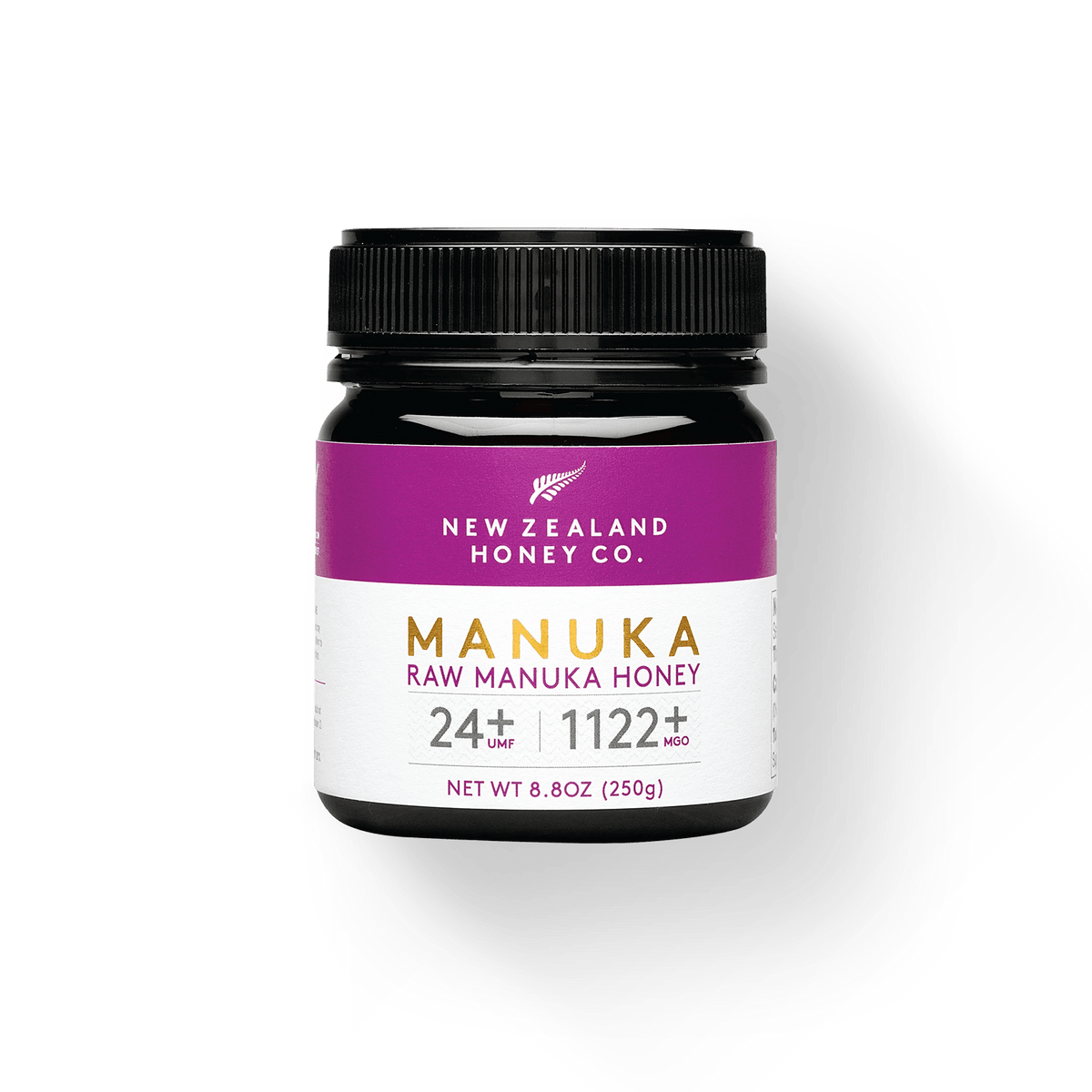
Taylor H., Verified Buyer, Manuka Honey UMF™ 24+ | MGO 1122+
Whilst these reviews show promising results, it’s important to keep in mind that these are individual experiences, not clinical proof, and should never replace medical advice tailored to your unique situation.
Customer story: How Manuka Honey Saved Rik's Ankle.
What to Look for When Choosing Manuka Honey for MRSA Infections and Wound Care
For MRSA treatment, getting top-quality Manuka honey isn't negotiable. With such a large amount of counterfeit, adulterated and fake Manuka honey products, it’s essential to know that what you’re buying is suitable for the purpose at hand.
Because if you put an ineffective product on your infection, you can’t expect positive results, and may even make it worse.
The scientific papers referenced in this article used two types of Manuka honey:
-
Sterilised medical-grade Manuka honey (e.g.: Medihoney), and
-
Raw Manuka honey with a specified MGO or UMF™ level (which in some but not all cases was sterilised before use).
Now you might be wondering what the difference is? Here’s an overview:
Medical-grade sterilised honey:
-
Gamma-irradiated to kill all spores
-
Designed specifically for clinical wound care
-
Typically recommended by healthcare providers for open wounds
-
Critical for immunocompromised patients, such as those undergoing chemotherapy
UMF™-certified Manuka honey (like ours):
-
Raw and unpasteurised (retains the natural enzymes and beneficial properties)
-
Independently tested for MGO levels and authenticity
-
Available in various MGO concentrations and price points (giving you choice based on your situation)
-
Can be used topically and also consumed for other health benefits
-
More versatile applications beyond wound care
Here’s the critical common factor between these types of honey: both have verified MGO levels, which research identifies as a key antibacterial component.
For serious MRSA infections: Medical-grade sterilised honey is often the most appropriate choice for open wounds, especially for post-surgery infections. Remember always to follow your healthcare provider's recommendations.
If you decide to use a high-grade UMF™ Manuka honey for MRSA, make sure to keep it separate from the honey in your kitchen, and use a dedicated, sterilised utensil to prevent cross-contamination.
Why MGO levels matter
Across the studies reviewed, the concentration of MGO (methylglyoxal) consistently correlated with antibacterial effectiveness.
In other words, higher concentrations of MGO tend to provide better results.
By opting for a UMF™-certified product, you’re guaranteeing a fresh jar of Manuka honey with minimum MGO levels. For example, here are our highest grades of UMF™ Manuka honey, with the MGO levels increasing with the UMF™ number:
-
UMF™ 20+ = MGO 829+
-
UMF™ 24+ = MGO 1,122+
-
UMF™ 26+ = MGO 1,282+
-
UMF™ 28+ = MGO 1,450+
-
UMF™ 30+ = MGO 1,620+
For wound infections such as MRSA, choose high-grade Manuka honey (i.e., UMF™ 20+ or higher) or sterile Manuka honey dressings. Your clinician can advise on the most appropriate product for your specific needs.
Learn more: Manuka honey: Decoding UMF™
Avoiding fake Manuka honey
When using Manuka honey for serious issues like MRSA and infected wounds, authenticity is critical.
Here’s a checklist of things to look out for:
-
Traceable batch numbers
-
Produced and packaged in New Zealand
-
MGO level is clearly stated in mg/kg
-
Trusted, established brand
-
Bonus: UMF™ certification logo and licence number
Make sure to avoid these red flags:
-
No independent testing or trustworthy evidence that the product is legitimate
-
Suspiciously low prices
-
Vague origin claims
Our high-grade Manuka honey products tick all these boxes. Shop here.
How to Use Manuka Honey for MRSA Safely and Effectively
CRITICAL: MRSA requires urgent medical attention - this is not DIY advice and should only be used under medical recommendation.
Never stop your prescribed antibiotics without your doctor's approval. Manuka honey should complement medical treatment, never replace it (unless recommended by your doctor).
For MRSA boils and skin infections
Make sure to visit a doctor if you experience spreading redness, increasing pain, fever, red streaks coming from the wound or signs of widespread systemic infection.
If your doctor approves topical honey use, here’s a simple step-by-step process you can use:
-
Wash your hands thoroughly
-
Clean the affected area gently as per your doctor's instructions
-
Pat dry with a sterile gauze
-
Apply a thick layer of high-grade Manuka honey (UMF™ 20+ or higher) with a dedicated and sterilised utensil.
Keep the utensil separate from the honey used for food to prevent cross-contamination and clean it after every use. -
Cover with a sterile dressing
-
Change the dressing daily or as directed
-
Monitor for improvement or worsening
Based on customer experiences and research papers, results can be expected within a few days.
Learn more: How Long to Leave Manuka Honey on a Wound
Combining Manuka honey with prescribed antibiotics for MRSA
Research shows enhanced effects when Manuka honey is combined with certain antibiotics, particularly rifampicin.
However, self-combining without medical guidance could be dangerous, so we always recommend speaking with your doctor before proceeding.
Here are some tips to help you approach this discussion:
-
Share the relevant research summaries (see the sources at the bottom of this article).
-
Ask if topical Manuka honey usage could complement treatment.
-
Ask if you need sterilised medical-grade Manuka honey or if raw UMF™ certified Manuka honey will be suitable.
-
Discuss timing and application, and any other relevant factors based on your specific situation.
Medical supervision ensures safe, effective combination therapy.
What NOT to do when treating MRSA with Manuka honey
Never:
-
Use regular supermarket honey on wounds (no verified antibacterial properties)
-
Apply to deep wounds without medical guidance
-
Delay seeking medical attention for MRSA
-
Stop prescribed antibiotics without doctor approval
-
Use honey on infants under 12 months (botulism risk - more info here)
-
Use if you have honey/bee allergies
Stop and seek medical help if you experience:
-
The infection worsening
-
Increased pain, redness, or swelling
-
Fever developing
-
No improvement after 2-3 days
-
An allergic reaction
Learn more: How to Treat a Wound Infection Naturally
Where to Get Authentic, High-Grade Manuka Honey for MRSA
When you’re using Manuka honey for serious issues like MRSA, quality isn't negotiable.
If you’re looking for the real deal, you may wish to explore our product range. Here are the highest UMF™ grade Manuka honeys we offer:
Our raw, UMF™-certified Manuka honey is independently tested, GMO- and glyphosate-free, fully traceable from hive to jar, made in New Zealand, and much more. Learn more about our credentials and accreditations here.
Important reminder: MRSA infections require professional medical supervision. If you're using Manuka honey for MRSA, discuss it with your doctor first. For surgical sites and serious wounds, medical-grade sterilised honey may be most appropriate. Always follow your healthcare provider's recommendations.
Sources Referenced:
¹ WHO warns of widespread resistance to common antibiotics worldwide. World Health Organisation.
² Antibiotic Resistance Threats in the United States, 2019. Centers for Disease Control and Prevention.
³ Antimicrobial Resistance. World Health Organisation.
⁴ More than 39 million deaths from antibiotic-resistant infections estimated between now and 2050, suggests first global analysis. Healthdata.org.
⁵ WHO releases report on state of development of antibacterials. World Health Organisation.
⁶ Staphylococcus aureus survival in human blood. National Library of Medicine.
⁸ Frydman et al. (2020) - Manuka honey microneedles for enhanced wound healing and the prevention and/or treatment of Methicillin-resistant Staphylococcus aureus (MRSA) surgical site infection. Nature Scientific Reports.
⁹ Kot et al. (2020) - Effect of manuka honey on biofilm-associated genes expression during methicillin-resistant Staphylococcus aureus biofilm formation. Nature Scientific Reports.
¹⁰ What Does MGO Mean on Manuka Honey? New Zealand Honey Co.
¹² Müller et al. (2013) - Synergism Between Medihoney and Rifampicin Against Methicillin-Resistant Staphylococcus aureus (MRSA). PLoS ONE.
¹³ Jenkins & Cooper (2012) - Synergy between oxacillin and manuka honey sensitizes methicillin-resistant Staphylococcus aureus to oxacillin. Oxford Academic.
Your wellness journey starts with a spoonful a day.
SUBSCRIBE TO OUR NEWSLETTER
Receive our latest releases, offers, guides and more.
