
Manuka Honey Articles · 9 min read
The Best Regions for Manuka Honey Explained
Not all Manuka Honey is created equal — and geography is a big reason why. Explore how the Far North and Queenstown Lakes regions of New Zealand produce some of the purest, most potent Manuka Honey on the planet.
 By Clare
Updated 2 Jun 2026
By Clare
Updated 2 Jun 2026

Manuka Honey Articles · 9 min read
The Best Regions for Manuka Honey Explained
Not all Manuka Honey is created equal — and geography is a big reason why. Explore how the Far North and Queenstown Lakes regions of New Zealand produce some of the purest, most potent Manuka Honey on the planet.
By Clare
Updated 2 Jun 2026
Manuka Honey Articles · 9 min read
The Best Regions for Manuka Honey Explained
Not all Manuka Honey is created equal — and geography is a big reason why. Explore how the Far North and Queenstown Lakes regions of New Zealand produce some of the purest, most potent Manuka Honey on the planet.
By Clare
Updated 2 Jun 2026
Picture two landscapes that could hardly be more different. In the Far North of New Zealand, ancient coastal scrubland stretches toward warm, wind-shaped ridges where Manuka trees have grown undisturbed for centuries. Hundreds of kilometres to the south, Queenstown Lakes sits at the feet of the Southern Alps, its valleys threaded with glacier-fed rivers and blanketed in crisp, cool air. What connects these two places is something worth understanding: both produce Manuka Honey of exceptional quality, and the reasons why are rooted in geography as much as botany.
Once a buyer understands what UMF™ ratings and MGO levels mean, the natural next question is: where does the honey actually come from, and does it matter? The answer is yes. The region shapes the nectar, the nectar shapes the honey, and the bees shapes what ends up in the jar. This is the story of terroir in Manuka Honey - and why sourcing from New Zealand's most remote corners is not a marketing choice, but a quality one.
A Plant Shaped by Isolation: The Manuka Story
Leptospermum scoparium, commonly known as the Manuka tree, is native to New Zealand and it has evolved across an extraordinary range of climates and elevations, from sea-level coastal dunes to high-country hillsides above the treeline. This adaptability is part of what makes it so remarkable. But adaptability also means variability. Not every Manuka tree produces nectar with the same concentration of the compounds that make Manuka Honey distinctive.
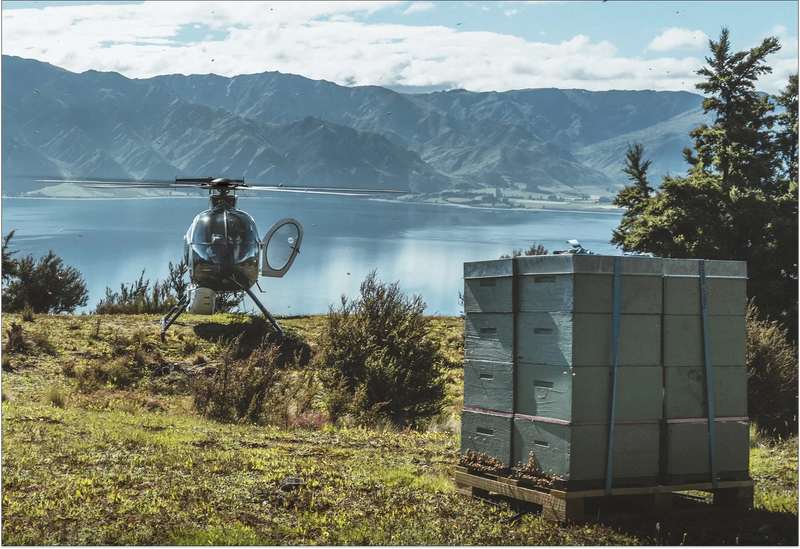
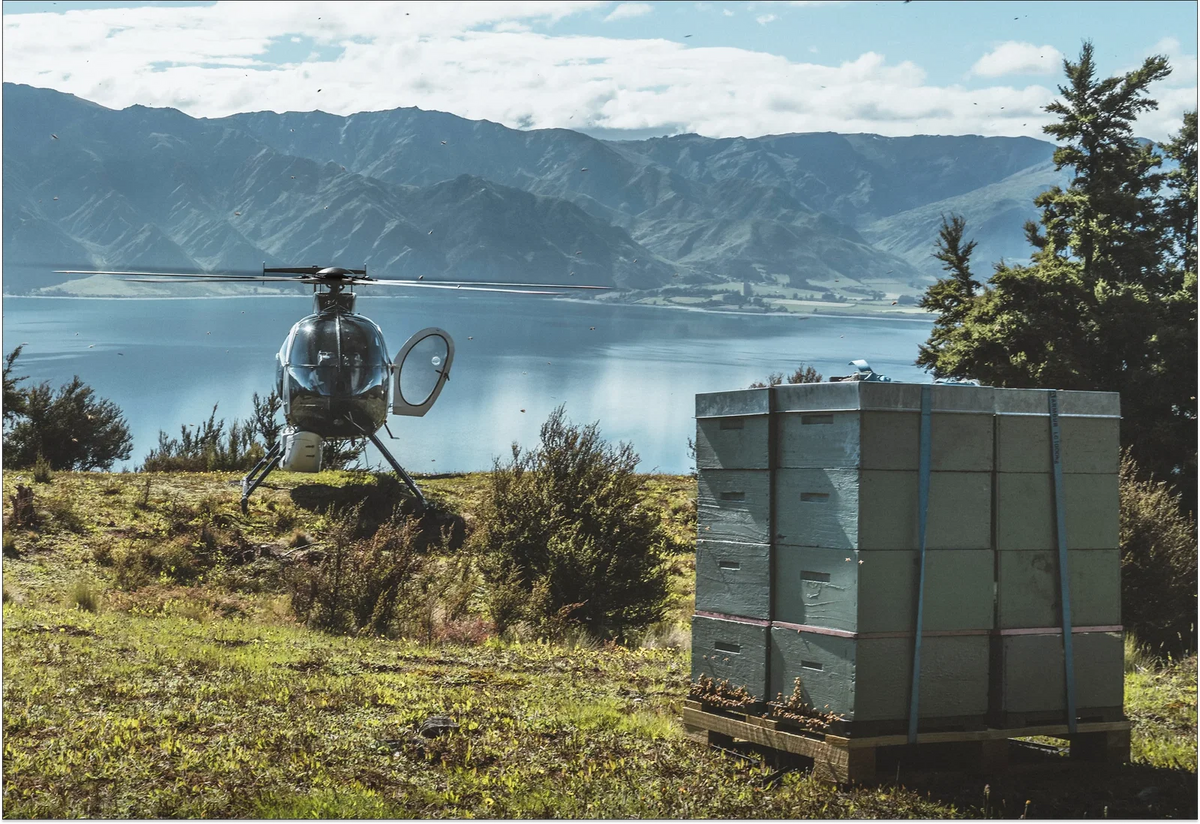
The Manuka flowering season is one of the most constrained in the natural world, just two to eight weeks per year, depending on elevation and climate. Bees must work within this narrow window, and beekeepers must be ready. Hives are positioned in advance, often in remote terrain accessible only by helicopter or four-wheel drive. Miss the window, and the season is gone. This scarcity alone explains much of Manuka Honey's premium positioning, but it is the regional conditions that determine the calibre of what gets harvested.
What Terroir Actually Means for Manuka Honey
Wine lovers are familiar with the concept of terroir; the idea that soil, climate, aspect, and microenvironment all leave their mark on what ends up in the bottle. The same logic applies to Manuka Honey, even if the word is rarely used in the industry. Soil mineral content influences plant chemistry. Rainfall patterns affect nectar yield. Temperature swings shape the pace of flowering. And crucially, proximity to agricultural activity influences how pure the nectar and the resulting honey will be.
In densely farmed regions, bees range across land that may have been treated with herbicides, pesticides, or fertilisers. Even small residual levels of agricultural chemicals can affect what ends up in a jar of honey. This is not a hypothetical risk, it is why sourcing from genuinely remote, non-agricultural land matters so much. Remoteness is not just a romantic detail. It is a functional quality indicator. Pure, authentic Manuka Honey begins with clean land.
The Far North: Warmth, Wildness, and Deep-Rooted Manuka
The Northland region, and particularly Te Tai Tokerau, the Far North, is one of New Zealand's most significant Manuka Honey production areas. The climate here is subtropical by New Zealand standards: warm, humid summers and mild winters. Manuka thrives in these conditions, establishing dense stands across coastal cliffs, sandy hillsides, and regenerating bush that stretches far from the nearest town.
What distinguishes Far North Manuka Honey is both its consistency and its character. The longer warm season encourages robust Manuka growth, with flowering typically occurring earlier in the calendar year than in southern regions. Honey from this area tends to have a richer, more full-bodied flavour profile - darker in colour with earthy, herbal notes that reflect the coastal scrub environment. The region's low population density and limited farming activity means bees forage across largely undisturbed land, which supports the purity that independent testing consistently confirms.
For producers committed to remote Manuka Honey production, the Far North represents access to some of the most intact Manuka ecosystems in the country. Hive placement here is deliberate and carefully managed - positioned to maximise contact with flowering Manuka while minimising any exposure to surrounding land use.
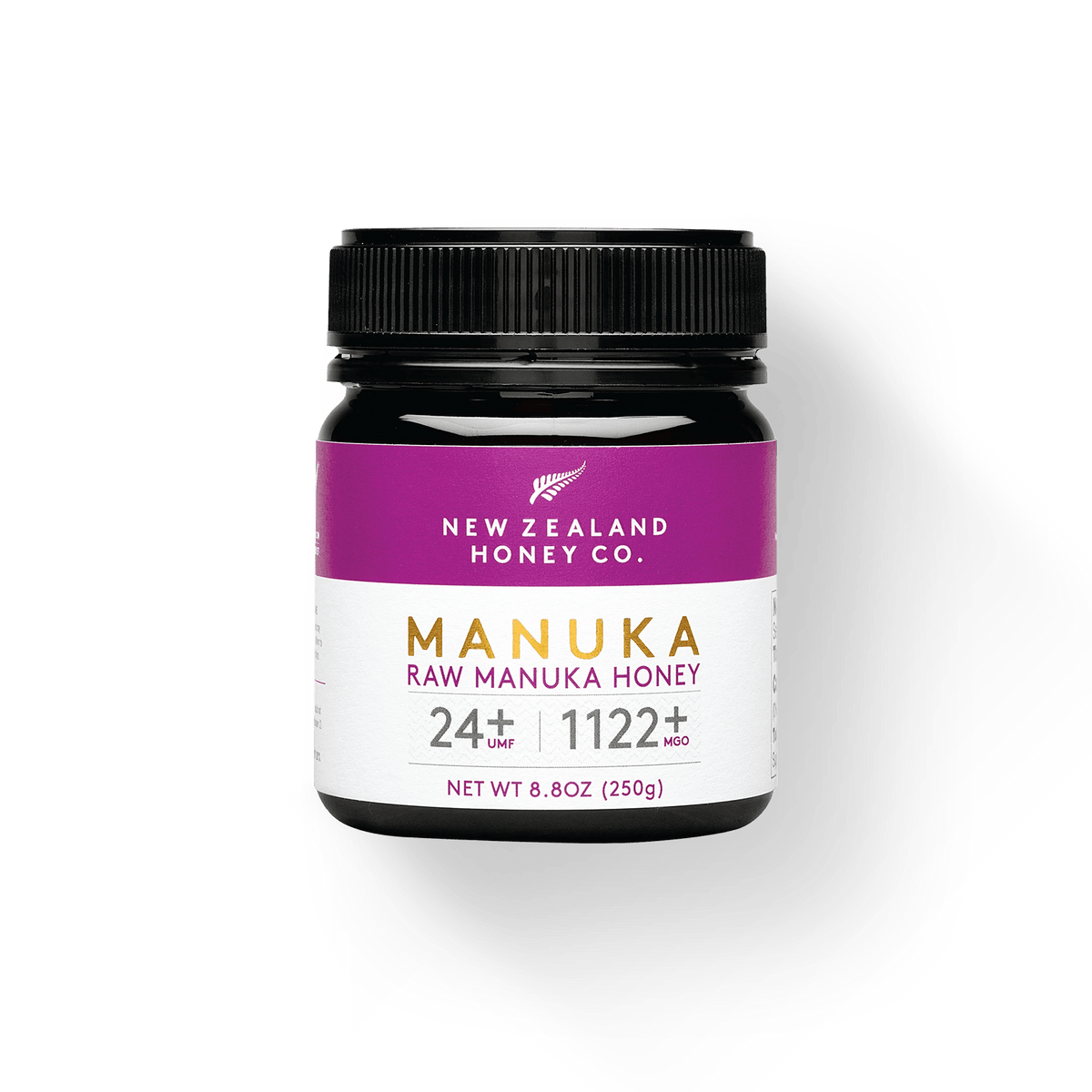
My overall experience of the New Zealand Honey Co. Manuka Honey UMF 20+ | MGO 829+ was excellent! I love this honey! This honey is very rich, natural, and of high quality. I can taste it in every try. The taste and flavor is perfect. Not too sweet, but not too strong either. I take a spoonful a day every morning. I look forward to trying this honey in other ways as well. Purchase process and delivery service was great. I will definitely purchase again. Highly recommend!
— Dayanara, C. Verified Customer, UMF™ 20+ I MGO 829
Queenstown Lakes: Alpine Air, Cold Clarity, and High-Country Purity
From the far North, move to New Zealand's South Island and the landscape shifts completely. The Queenstown Lakes district sits within the Southern Alps, where altitude, cold winters, and dramatic temperature variation create a very different environment for Manuka growth. Here, Manuka colonises river terraces, rocky slopes, and high-altitude clearings - often at elevations where few other flowering plants compete for bee attention during the brief summer flowering window.
Queenstown Lakes Manuka Honey tends to carry a lighter, crisper flavour compared to its northern counterpart. The cooler climate slows nectar production, concentrating the natural compounds within each bloom. Methylglyoxal (MGO), the compound central to Manuka Honey's unique properties and directly reflected in UMF™ ratings, can be highly concentrated in honey produced from Manuka grown in cooler, high-altitude environments. The stress of colder conditions appears to intensify the plant's chemistry, producing nectar of notable potency.
The isolation factor here is considerable. Much of the land surrounding hive sites is conservation land or high-country pastoral land with minimal chemical inputs. Agricultural runoff, the concern that drives many buyers toward premium sourcing, is far less of a factor when hives sit within valleys accessible only by track or air. This is what independently tested and certified really means in practice, the testing confirms what the landscape already suggests.
Why These Two Regions Excel: The Core Findings
- Far North Manuka Honey benefits from a warm, subtropical climate that supports dense, well-established Manuka ecosystems and earlier flowering seasons.
- Queenstown Lakes produces honey from high-altitude, cool-climate Manuka — conditions associated with concentrated MGO levels and exceptional purity.
- Both regions are characterised by low population density and limited agriculture, reducing exposure to pesticides.
- Remote hive placement means bees forage across largely undisturbed land — a key indicator of honey purity that independent testing supports.
- UMF™ certification guarantees the MGO levels on the label, but understanding the regional source adds meaningful context to those numbers.
From Landscape to Label: What This Means When You Buy
Understanding the best regions for Manuka Honey means moving beyond the label and thinking about the supply chain behind it. A jar marked UMF™ 15+ tells you the MGO level has been independently verified. What it does not always tell you is whether that honey came from remote, pristine land or from hives positioned near conventional farmland. That distinction can matter — both for purity and for the longer-term reliability of those ratings across batches.
Buyers who want to support their wellness journey with the highest-quality Manuka Honey should look for brands that publish sourcing information transparently. QR-code traceability is a meaningful commitment as it signals that the producer is confident enough in their sourcing to show their working. When a jar traces back to the hive, that provenance has real meaning. It is not decoration. It is part of what makes the honey what it is.
For daily wellness use, whether stirred into warm water, taken directly from a spoon, or used topically — knowing the source of your Manuka Honey adds a layer of confidence that no label alone can provide. One of the rarest superfoods deserves to be sourced with the same care that goes into using it.
When Regional Origin Alone Is Not Enough
Important Considerations Buyers Often Overlook
- Region of origin is a strong indicator of quality, but it does not replace independent testing. Always look for UMF™ certification backed by verified MGO levels on the label - not just a location claim.
- Not all Manuka grown in premium regions produces high-potency honey. Seasonal variation, rainfall, and hive health all influence the final result. Batch-level traceability matters more than broad regional claims.
- Some products labelled as 'New Zealand Manuka Honey' are blended across multiple regions or even countries. If provenance matters to you, look for specific sourcing information rather than a generic country-of-origin statement.
- High UMF™ ratings are not always better for every application. Those using Manuka Honey as a general daily wellness supplement may find mid-range UMF™ grades (10+ to 15+) offer excellent value, while higher grades suit more targeted use.
- Manuka Honey is best understood as a complement to healthy routines and is not a replacement for medical advice or treatment.
What makes Far North Manuka Honey different from Southern Alps Manuka Honey?
The two regions produce genuinely distinct honey profiles. Far North Manuka Honey tends to be richer and more full-bodied in flavour, reflecting the warm coastal scrubland where Manuka has grown undisturbed for generations. Manuka Honey from the Southern Alps region is typically lighter and crisper, produced from high-altitude Manuka where cooler conditions concentrate the plant's natural compounds. Both regions benefit from remoteness and limited agricultural activity, which supports the purity that independently tested and certified Manuka Honey requires.
Does the region of origin affect UMF™ ratings?
Regional conditions can influence the concentration of methylglyoxal (MGO) in Manuka nectar, which directly determines UMF™ ratings. High-altitude, cool-climate environments like Queenstown Lakes are associated with more concentrated nectar chemistry, while the Far North's established Manuka ecosystems support consistent, reliable production. That said, UMF™ certification is always determined by independent laboratory testing of the final honey — not by location alone. Look for specific MGO levels guaranteed on the label alongside UMF™ certification.
Why does remoteness matter so much for Manuka Honey quality?
Bees forage across a wide radius from their hive — often two kilometres or more. In areas close to conventional agriculture, that foraging range can include land treated with pesticides, herbicides, or fertilisers. Remote hive placement reduces this risk. The result is honey that reflects the natural landscape rather than its surroundings. This is one reason why traceable sourcing is a meaningful quality indicator rather than a marketing detail.
The Geography Behind the Jar
The best regions for Manuka Honey production in New Zealand share something important: they offer Manuka trees growing in clean, remote environments, harvested during a window that demands precision and commitment. The Far North and Queenstown Lakes deliver this combination reliably, each in their own way and with their own sensory signature, but they are far from alone in doing so.
New Zealand is home to many such places. From the rugged coastlines of the West Coast to the windswept plateaus of Hawke's Bay and beyond, the country's vast stretches of untouched wilderness provide ideal conditions for Manuka trees to thrive. Sourcing honey across multiple remote locations is not a compromise, it is a reflection of New Zealand's extraordinary natural diversity. Each region contributes its own character to the honey it produces, all shaped by the same foundations: clean air, pristine land, and native flora left largely undisturbed.
Understanding these distinctions does not require a degree in botany. It simply requires curiosity about where your food comes from — and a willingness to look beyond the front label. When a jar of Manuka Honey is traceable to the source, independently tested, and produced from remote New Zealand landscapes, the UMF™ rating on the label carries the full weight of everything behind it. That is what optimised for everyday wellness actually looks like.
Explore Manuka Honey Traceable to the Source
New Zealand Honey Co. sources pure, authentic Manuka Honey from remote landscapes that are largely undisturbed. Every jar is UMF™ certified, independently tested, and traceable via QR code. Make it part of your wellness routine.
Shop Manuka Honey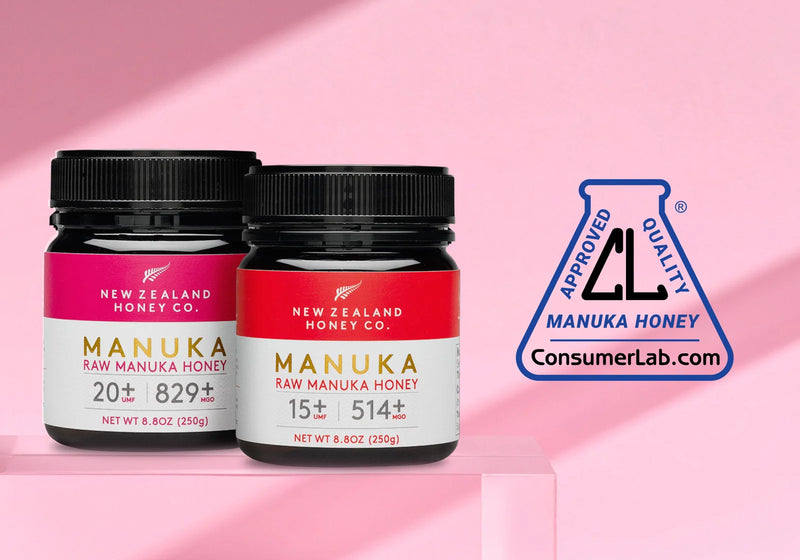
Named Top Pick Manuka Honey in the USA
New Zealand Honey Co. has been named a Top Pick by ConsumerLab.com — the leading independent authority in health product testing — for its...
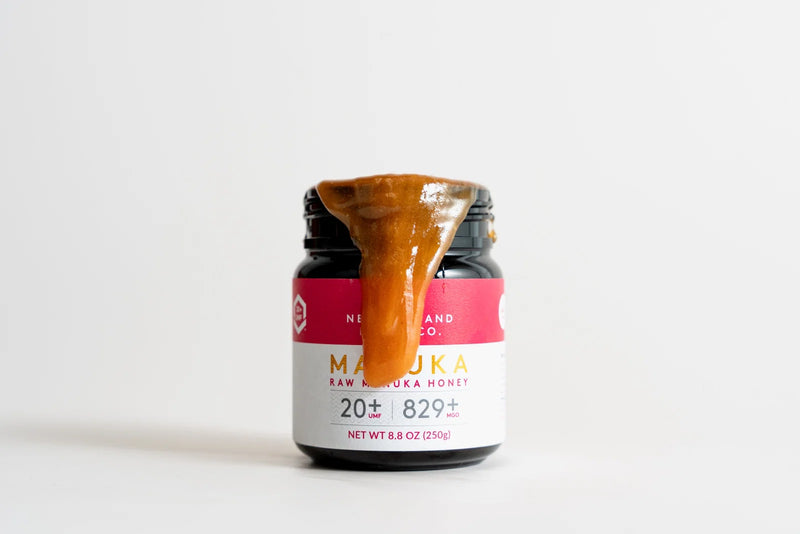
7 Ways to Verify Your Manuka Honey Is Authentic
Verifying the authenticity of Manuka Honey isn't as tricky as you might think. This article lists 7 simple ways to make sure you're choosing...
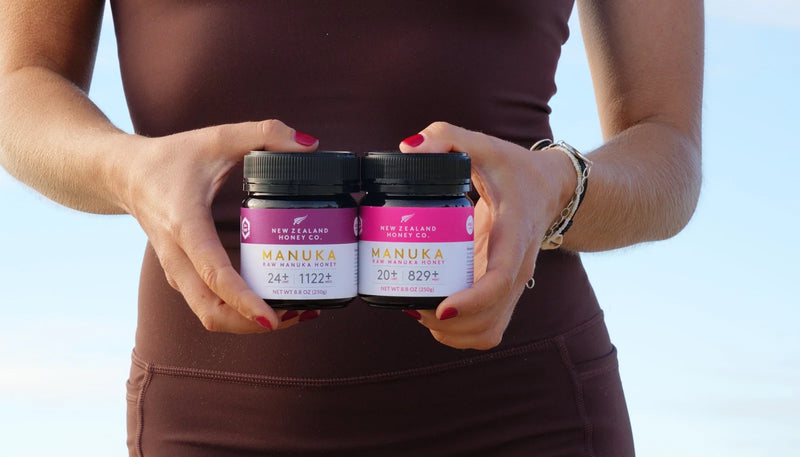
Manuka Honey Benefits: A Practical Guide
From a daily wellness boost and immune support to glowing skin and healthy hair - discover what Manuka Honey really does, and how to...
