
Health and wellness · 10 min read
Manuka Honey for Rosacea: Natural Relief Guide
Rosacea can be frustrating to manage, but authentic Manuka Honey offers a scientifically-grounded, complementary option worth exploring. This guide connects rosacea's inflammation triggers to Manuka's clinically-relevant properties and shows you where to start.
 By Clare
Updated 4 Jun 2026
By Clare
Updated 4 Jun 2026

Health and wellness · 10 min read
Manuka Honey for Rosacea: Natural Relief Guide
Rosacea can be frustrating to manage, but authentic Manuka Honey offers a scientifically-grounded, complementary option worth exploring. This guide connects rosacea's inflammation triggers to Manuka's clinically-relevant properties and shows you where to start.
By Clare
Updated 4 Jun 2026

Health and wellness · 10 min read
Manuka Honey for Rosacea: Natural Relief Guide
Rosacea can be frustrating to manage, but authentic Manuka Honey offers a scientifically-grounded, complementary option worth exploring. This guide connects rosacea's inflammation triggers to Manuka's clinically-relevant properties and shows you where to start.
By Clare
Updated 4 Jun 2026
When Your Skin Needs Something Gentler
Rosacea affects millions of people worldwide. The persistent redness, visible blood vessels, and occasional flare-ups can feel relentless, especially when standard routines seem to irritate rather than soothe. If that experience sounds familiar, you are not alone.Many people with rosacea-prone skin eventually turn toward natural, complementary options, looking for something that works alongside their existing care without adding further stress to a sensitive complexion. Authentic Manuka Honey from New Zealand has emerged as one of the more compelling options in that conversation.This guide explains rosacea, why Manuka Honey's specific properties are relevant to it, and how to approach using it sensibly. This is not about miracle cures or instant transformation. It is about giving your skin a well-supported, traceable, natural companion that may help manage day-to-day symptoms.
Understanding Rosacea and Why It Is Hard to Manage
Rosacea is a chronic inflammatory skin condition, primarily affecting the face. It tends to present as persistent facial redness, flushing, broken capillaries, and sometimes papules or pustules that can resemble acne. In more advanced cases, thickening of the skin around the nose, known as rhinophyma, may occur. The root causes are not entirely understood, but research consistently points to a combination of immune dysregulation, neurovascular dysfunction, and microbial imbalance on the skin's surface. Certain triggers, including UV exposure, heat, alcohol, spicy foods, stress, and specific skincare ingredients, can activate the inflammatory cascade and cause flare-ups. Because rosacea-prone skin is inherently compromised in its barrier function, it reacts strongly to harsh actives. Many conventional treatments are effective but can be drying or sensitising over time. This is precisely where a gentle, anti-inflammatory, and antimicrobial natural ingredient like Manuka Honey becomes an interesting option to explore as a complement to professional care. Importantly, Manuka Honey is not a medical treatment for rosacea, and it does not replace the advice of a dermatologist. Anyone with a diagnosed skin condition should consult their healthcare provider before making changes to their regimen.
Why This Matters for Rosacea-Prone Skin
The Real-World Impact of Rosacea
Rosacea is more than a cosmetic concern. It can affect quality of life significantly, with sufferers reporting reduced self-confidence, social anxiety, and difficulty finding skincare products that do not trigger flare-ups. The skin's compromised barrier means that even well-intentioned products can cause stinging, redness, or worsening inflammation. Finding a gentle, well-researched natural option is not a luxury for rosacea sufferers, it is often a necessity. Manuka Honey's documented anti-inflammatory and antimicrobial properties, particularly the activity derived from its methylglyoxal (MGO) content, make it a scientifically relevant candidate for complementary skin support, one that is also traceable, independently tested, and naturally pH-balanced to be kind to sensitive skin.
What Makes Manuka Honey Different From Regular Honey
Four Things to Understand Before Using Manuka Honey for Rosacea
- MGO is the active compound: Methylglyoxal (MGO) is the key antibacterial compound found in Manuka Honey. It occurs at significantly higher concentrations than in regular honey, and it is the primary driver of Manuka's documented antimicrobial activity. Higher MGO ratings indicate greater antibacterial potency, which is relevant when supporting inflamed or microbiome-disrupted skin.
- UMF™ is the quality standard you can trust: The UMF™ (Unique Manuka Factor) grading system independently tests and certifies each batch of Manuka Honey for authenticity and potency. A product carrying the UMF™ mark has been verified to contain the correct markers, including MGO, leptosperin, and DHA, at the stated level.
- Anti-inflammatory properties are research-supported: A peer-reviewed study published on PubMed examined Manuka Honey's effects on atopic dermatitis and found that it reduced IL4-induced CCL26 release from keratinocytes in a dose-dependent manner and inhibited mast cell degranulation. Both mechanisms are directly relevant to the kind of inflammatory activity seen in rosacea-prone skin.
- Rarity means quality varies enormously: Manuka flowers for only 2 to 8 weeks per year in remote New Zealand landscapes. This short window means genuine, high-potency Manuka Honey is inherently rare. Products without independent certification may contain little to no active MGO, making traceability and UMF™ certification non-negotiable when choosing a product for skin wellness purposes.
What the Research Actually Shows
The research on Manuka Honey and inflammatory skin conditions is genuinely encouraging, even if studies specifically targeting rosacea remain limited. The most relevant published work focuses on atopic dermatitis, a condition that shares key pathological features with rosacea, including impaired barrier function, immune dysregulation, and susceptibility to secondary microbial involvement. A study published on PubMed investigated Manuka Honey's clinical and mechanistic effects on atopic dermatitis lesions. Adult participants applied Manuka Honey to affected sites for seven consecutive nights. The study found clinical improvement in treated areas compared to untreated controls. Crucially, Manuka Honey was found to inhibit mast cell degranulation and reduce CCL26 protein release from keratinocytes, both of which are key contributors to the inflammatory responses that also underpin rosacea flare-ups.Manuka Honey's wound-healing credentials are well-documented. A randomised controlled trial published on PubMed found that Manuka (active Leptospermum) Honey dressings significantly reduced healing time for pressure injuries in critically ill children, with no allergic reactions reported. While this is a wound-care context, it reinforces Manuka Honey's safety profile and its ability to support tissue recovery without adverse effects. For rosacea sufferers, the combined anti-inflammatory, antimicrobial, and barrier-supporting properties of authentic Manuka Honey offer a rational basis for its use as a gentle, complementary skincare option.
What Customers Have Noticed
The best product ever! I use it twice a week (and keep it on between 1h and 2hours) and it changed my skin! So happily surprised!
— Alessia W., Verified Customer
I have been experiencing horrible breakouts since January which I believe was from over using skin products and caused my skin to be irritated and sensitive. I had tried many products, facials, routines etc., but I read about Manuka Honey and its benefits, I did some research and decided to try it, all I can say after using it consistently for 2 weeks for about 30min-1hr is that my inflammation and breakouts reduced significantly! I'm still dealing with some but not as bad as they use to be, I also stopped using certain skin products and try to incorporate natural and healthy products into my diet and what I put on my skin! I will definitely continue to use it.
— Anya, Verified Customer
How to Get Started: A Practical Application Protocol
Using Manuka Honey for Rosacea-Prone Skin
-
Choose the right potency
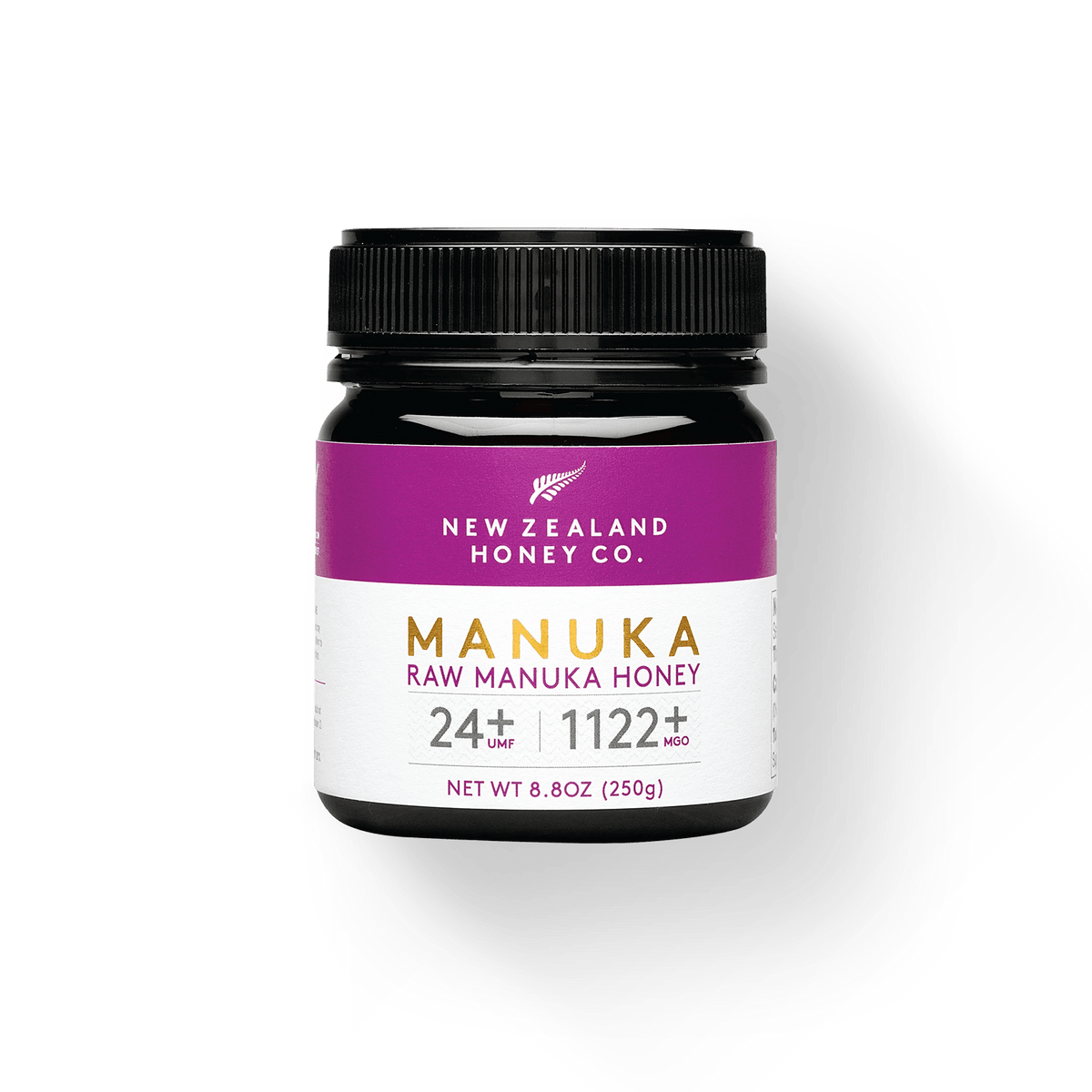
Select an independently tested and certified Manuka Honey with a UMF™ rating of 20+ or higher. The UMF™ mark guarantees the MGO level on the label is accurate and that the product is authentic. Lower-grade products may lack the bioactive compounds relevant to skin support. New Zealand Honey Co. provides traceable batches, with every jar's origin verifiable via QR code.
-
Patch test before full application
Even natural ingredients can cause reactions on sensitised skin. Before applying Manuka Honey to the face, dab a small amount on the inner wrist or behind the ear and leave for 20 to 30 minutes. If no redness, stinging, or irritation occurs, it is generally safe to proceed. If any reaction is noticed, discontinue and consult a healthcare provider.
-
Cleanse gently before application
Use a mild, fragrance-free cleanser to prepare the skin. Avoid anything with alcohol, synthetic fragrance, or harsh exfoliants. Pat the skin dry with a soft towel, leaving it slightly damp. Manuka Honey absorbs well on lightly moist skin.
-
Apply as a short-contact mask
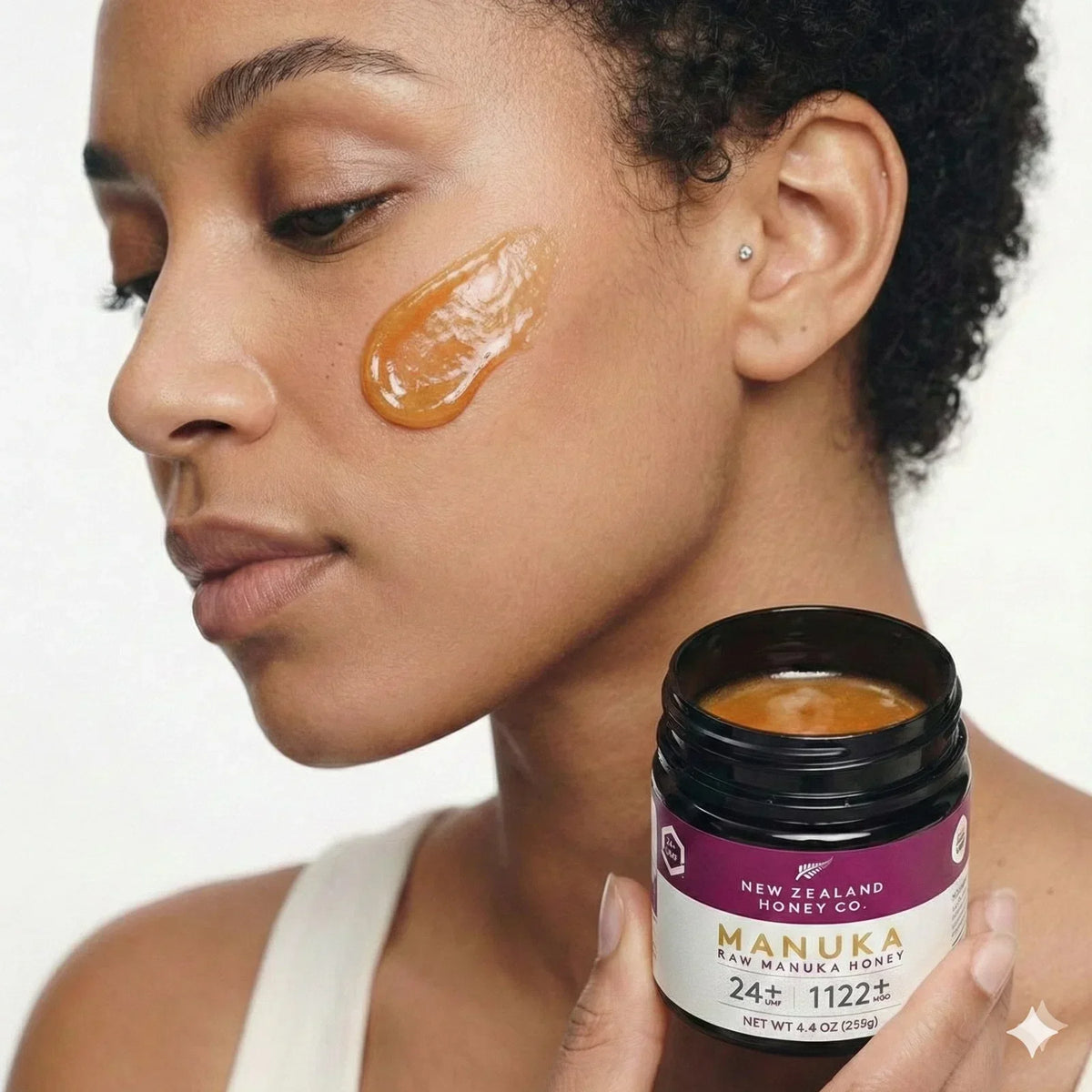
Warm a small amount of Manuka Honey between clean fingertips, then apply a thin, even layer to areas of concern, typically the cheeks, nose, and forehead. Leave for 15 to 20 minutes. For very sensitive skin, starting with 10 minutes is a sensible approach. Rinse off with cool or lukewarm water, as hot water can trigger rosacea flushing.
-
Incorporate consistently, not excessively
Begin with two to three applications per week. Over two to four weeks, assess how the skin responds. Many people with rosacea-prone skin find that consistency matters more than frequency. If the skin responds well, the frequency can be adjusted based on personal comfort and advice from a skincare professional.
-
Continue with your prescribed regimen
Manuka Honey is a complementary addition, not a standalone treatment. Continue any prescribed medications, topical treatments, or protocols recommended by a dermatologist. Always inform a healthcare provider about any complementary additions to a skin condition management plan.
What to Look for When Buying Manuka Honey for Skin Use
Not all Manuka Honey sold is equal. The market includes a broad spectrum of products, from genuinely high-potency, independently certified options to diluted or mislabelled products that offer little therapeutic value.When selecting a product for rosacea support or general skin wellness, the following are worth prioritising:
Look for the UMF™ certification mark. This is the gold standard for authenticity and potency in Manuka Honey. It ensures the product has been independently tested and that the MGO level stated on the label has been verified.
Check the MGO level on the label. A guaranteed MGO level means you know exactly what bioactive activity you are working with. Products that only list 'Manuka Honey' without a grade offer no assurance of potency.
Opt for traceability. Pure, authentic Manuka Honey from New Zealand Honey Co. comes with batch-level traceability via QR code, so the journey from hive to jar is transparent. This matters when choosing a product for wellness purposes.
Sourced from remote New Zealand landscapes, away from industrial agriculture, the flowering window for Manuka is only 2 to 8 weeks per year. This natural scarcity is part of what makes genuine Manuka Honey one of the rarest superfoods available, and why quality assurance matters so much.
Common Questions About Manuka Honey and Rosacea
Can Manuka Honey cure rosacea?
No. Manuka Honey is not a cure for rosacea and should not be considered a medical treatment. Rosacea is a chronic condition that often requires ongoing professional management. Manuka Honey may offer complementary support by helping to calm inflammation, reduce surface microbial load, and support the skin barrier, but it works best alongside a care plan recommended by a dermatologist. Always consult a qualified healthcare provider before making changes to your skin condition management routine.
What UMF™ rating is best for rosacea-prone skin?
Skin application for anti-inflammatory purposes, a UMF™ rating of 20+ or higher is recommended for meaningful bioactivity and antimicrobial potency. The UMF™ certification guarantees that the product has been independently tested and certified, meaning the stated potency is accurate.
Is it safe to apply Manuka Honey directly to the face?
For most people, yes. Manuka Honey has a well-established safety profile. That said, any topical application on sensitised or condition-affected skin should begin with a patch test. If you experience stinging, increased redness, or any adverse reaction, discontinue use and speak with a healthcare professional.
How long before results are noticeable?
Results vary from person to person and depend on factors including rosacea severity, individual skin type, and consistency of use. Some people notice their skin feels calmer and less reactive within a few weeks of regular application. A fair trial period is generally considered to be four to six weeks of consistent use, two to three times per week. Managing expectations is important: Manuka Honey supports the skin's wellness journey rather than delivering overnight transformation.
Does the honey need to be food-grade to use on skin?
Yes. When applying Manuka Honey topically, use a food-grade, UMF™ certified product. Cosmetic formulations may contain Manuka extracts, but they are often processed in ways that reduce the native MGO activity. Using pure, authentic Manuka Honey that is independently tested and certified gives you confidence in the bioactive level you are applying. New Zealand Honey Co. products are traceable to the source, with every batch verifiable via QR code.
A Thoughtful Addition to Your Rosacea Wellness Routine
Rosacea requires patience, consistency, and a skincare approach that respects the skin's sensitivity. Authentic Manuka Honey, with its independently verified MGO levels, anti-inflammatory mechanisms, and gentle antimicrobial properties, represents a well-grounded natural option for those looking to support their skin in a complementary way. The science does not yet include large-scale clinical trials specifically targeting rosacea with Manuka Honey. But the research on related inflammatory skin conditions, combined with Manuka's established wound-care credentials and its traceable provenance from remote New Zealand landscapes, provides a credible basis for cautious, informed use. Choose a product that carries the UMF™ certification mark. Check the MGO level on the label. Start slowly. And treat it as a complement to, not a replacement for, professional dermatological care. Your skin health is important. After all, you only get one body. Giving it ingredients that are pure, authentic, and traceable to the source is always a worthwhile investment.
Ready to Support Your Skin with Authentic Manuka Honey?
Explore our independently tested and certified range of UMF™ Manuka Honey, traceable to the source and optimised for everyday wellness. Find the right potency for your skin journey today.
Shop UMF™ Certified Manuka Honey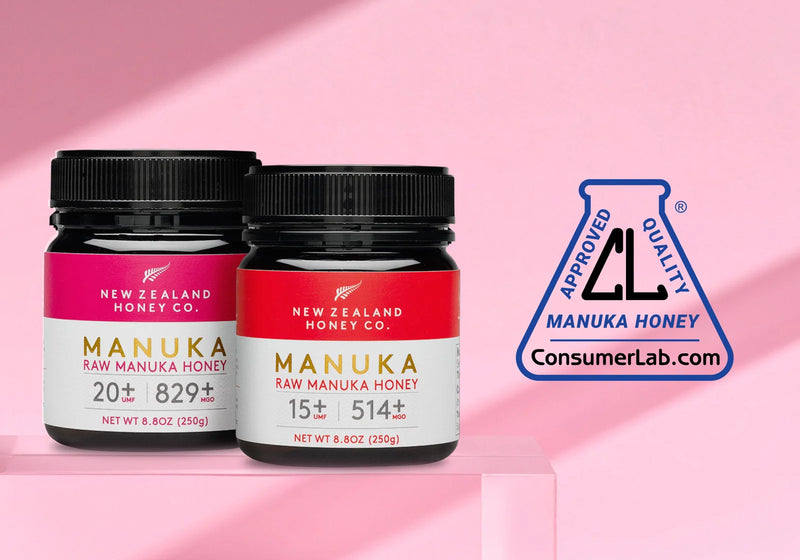
Named Top Pick Manuka Honey in the USA
New Zealand Honey Co. has been named a Top Pick by ConsumerLab.com — the leading independent authority in health product testing — for its...
7 Ways to Verify Your Manuka Honey Is Authentic
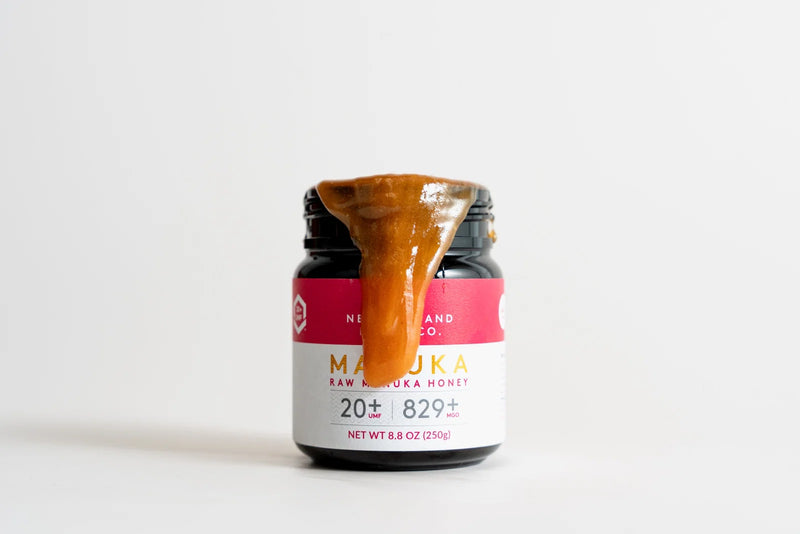
Verifying the authenticity of Manuka Honey isn't as tricky as you might think. This article lists 7 simple ways to make sure you're choosing...
Manuka Honey Benefits: A Practical Guide
From a daily wellness boost and immune support to glowing skin and healthy hair - discover what Manuka Honey really does, and how to...
