Manuka honey for your GLP-1 journey

A gentle, natural addition for your GLP-1 journey.

Starting GLP-1 often changes more than your appetite. A small, concentrated spoon of Manuka honey fits naturally into the shift.

Woman holding UMF 15+ Manuka honey jar with spoon drizzling honey
Understanding GLP-1

How GLP-1 reshapes how you eat.

GLP-1 medications are designed to support appetite control and metabolic health. They work by:

  • Slowing gastric emptying (how quickly food leaves the stomach)
  • Increasing feelings of fullness
  • Reducing appetite signals

As a result, many people experience significant changes in how and when they eat. This is not a small change — and affects the entire body.

Manuka honey swirl with wooden spoon
Common experiences

As your body adjusts, you may notice:

Because GLP-1 medications slow digestion, gastrointestinal symptoms are one of the most commonly reported effects.

Digestive sensitivity

  • Bloating
  • A feeling of fullness or heaviness
  • Occasional nausea

Reduced appetite

  • Eating less overall
  • Smaller portion sizes
  • Difficulty finishing meals

Reflux or discomfort

  • Acid reflux
  • Heartburn
  • General stomach sensitivity
Where Manuka comes in

One spoon. Three quiet ways it shows up.

Supporting digestive comfort

Long valued in digestive wellness, Manuka contains naturally occurring antibacterial activity, prebiotic potential and anti-inflammatory compounds — a gentle, everyday option as the body adjusts to changes in appetite and digestion.

Nutrient-dense when appetite is low

When food intake decreases, every spoon should pull its weight. Manuka offers a concentrated, natural source of energy and naturally occurring antioxidants — a small, meaningful addition on days when eating feels minimal.

A more considered sweetness

Sweet cravings don't always disappear. Manuka offers a naturally rich, satisfying taste at a controlled portion size — often chosen as a less processed alternative within a balanced diet.

While it still contains natural sugars, those monitoring blood sugar levels should continue to do so and seek guidance from their healthcare professional where needed.

“This Manuka honey has become a staple in my routine, whether in tea, on toast, or straight from the spoon. Highly recommend for both flavor and wellness support.”
★★★★★   ANONYMOUS · VERIFIED BUYER
A simple, supportive habit

How to build it into your day.

Consistency matters — especially when your body is adapting. Many customers fold it in as a morning ritual, between meals, or simply when they need something gentle.

01

Take 1 teaspoon daily

Enjoy straight, or stir into warm (not hot) water.

02

Use consistently

Best as a small, repeatable ritual — morning works for most.

03

If you're feeling sensitive

Smaller amounts, slow consumption, paired with warm liquids. Adjust to your routine.

Choosing the right Manuka

For daily use, we recommend UMF™ 15+ or UMF™ 20+.

  • Ideal for consistent use
  • Smooth, balanced flavour
  • Easy to incorporate into daily routines
UMF™ CertifiedIndependently tested to UMFHA standards.
Pure Monofloral ManukaSingle-origin, traceable Aotearoa nectar.
PureTrace™ ExcellenceHive-to-jar batch traceability.
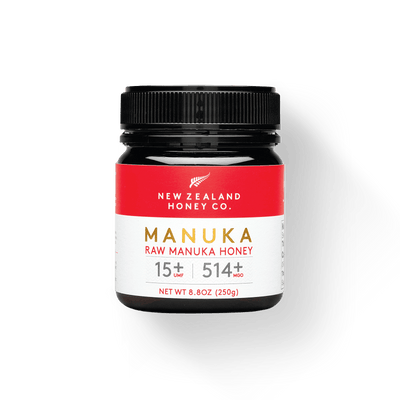
Manuka Honey UMF™ 15+ MGO 514+

Manuka Honey UMF™ 15+

MGO 514+
The Energiser
★★★★★ 4.9 · 744 reviews
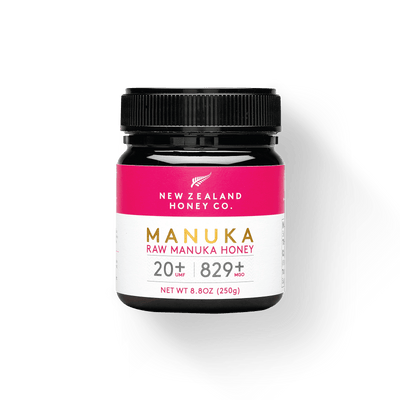
Manuka Honey UMF™ 20+ MGO 829+

Manuka Honey UMF™ 20+

MGO 829+
Ultra Violet
★★★★★ 4.9 · 512 reviews
Frequently asked

Questions, gently answered.

Can Manuka honey help soothe common GLP-1 symptoms?
GLP-1 medications are known to slow digestion, which can lead to nausea, fullness, or discomfort for some people. Manuka honey is often chosen as a gentle, easy-to-consume option that can be incorporated into a daily routine — particularly when appetite is reduced or the stomach feels sensitive.
Why do GLP-1 users look for soothing foods?
Because digestion slows, heavier or processed foods can sometimes feel harder to tolerate. Many people prefer smaller portions, simple foods, and options that feel lighter and more manageable.
Can Manuka honey help with reflux or stomach discomfort?
Honey has traditionally been used for digestive comfort, and some research suggests its texture may help provide a soothing effect. Manuka honey is often chosen by those looking for simple, natural options when experiencing occasional sensitivity.
How much should I take?
1 teaspoon daily is a common approach.
Is this a treatment for GLP-1 side effects?
No — Manuka honey is a food, not a medical treatment. It's best viewed as a simple addition to your routine.