
Manuka Honey for COPD: Natural Respiratory Support

Living with COPD means managing daily respiratory challenges. Authentic Manuka Honey, independently tested and certified, offers natural respiratory support that may complement your existing care routine.
Living with COPD (Chronic Obstructive Pulmonary Disease) is no small thing. The persistent cough, the tightening of the chest, the breathlessness that can make even a short walk feel like an effort. For the millions of adults managing chronic obstructive pulmonary disease, finding gentle, complementary ways to support respiratory health is an ongoing priority. Manuka Honey has long been valued for its remarkable natural properties. But beyond the well-known benefits for gut health and wound care, growing research suggests it may also play a supportive role in respiratory wellness. Independently tested and certified, authentic Manuka Honey from New Zealand is one of the rarest superfoods on the planet, and for those managing COPD symptoms, it is worth understanding what the science says. This article explores how Manuka Honey may support respiratory health, the mechanisms behind its properties, and practical ways to incorporate it into a daily wellness routine. As always, it is intended as a complement to professional medical care, not a replacement for it.
What You Will Learn
- What makes Manuka Honey uniquely suited to respiratory wellness support
- The key bioactive compounds behind its antimicrobial and anti-inflammatory properties
- How COPD sufferers may benefit from incorporating authentic Manuka Honey into their routine
- What UMF™ ratings mean and which grades are most relevant for respiratory support
Key Takeaways
- Manuka Honey contains methylglyoxal (MGO), a compound associated with potent antimicrobial activity that may help reduce respiratory tract bacteria
- Research indicates Manuka Honey has anti-inflammatory properties that may help soothe irritated airways common in COPD
- UMF™ 10+ and above grades are independently tested and certified, offering a reliable standard for those seeking authentic Manuka Honey benefits
- Manuka Honey supports your wellness journey as a complementary addition to prescribed COPD treatments, not a standalone remedy
- Every batch of New Zealand Honey Co. Manuka Honey is traceable to the source via QR code, ensuring purity and authenticity
- Practical daily use, including warm drinks and throat-soothing applications, makes it easy to incorporate into an existing wellness routine

What Is COPD and Why Respiratory Support Matters
Chronic Obstructive Pulmonary Disease is a progressive lung condition characterised by airflow obstruction, chronic inflammation of the airways, and increased vulnerability to respiratory infections. It encompasses conditions such as emphysema and chronic bronchitis, and it affects an estimated 300 million people worldwide. For those living with COPD, the airway environment is often compromised. Excess mucus production, heightened susceptibility to bacterial and viral infections, and persistent inflammation all combine to make breathing more difficult over time. Standard treatments, including bronchodilators, corticosteroids, and pulmonary rehabilitation, remain the cornerstone of COPD management. However, many individuals seek complementary wellness options to help manage day-to-day symptoms, reduce the frequency of respiratory flare-ups, and support overall wellbeing. This is where authentic Manuka Honey enters the conversation.
Key Benefits of Manuka Honey for Respiratory Health
Not all honey is created equal. Manuka Honey, produced by bees that forage on the Leptospermum scoparium (Mānuka) plant native to New Zealand, contains a unique suite of bioactive compounds not found in regular honey. Here are the most relevant benefits for those managing COPD or broader respiratory concerns.
1. Antimicrobial Action Against Respiratory Pathogens
One of Manuka Honey's most researched properties is its antimicrobial activity. The primary driver is methylglyoxal (MGO), a compound present in meaningful concentrations only in genuine Manuka Honey. Scientific research has demonstrated that Manuka Honey exhibits activity against a broad range of bacteria, including Streptococcus pyogenes and Staphylococcus aureus, both of which are commonly implicated in respiratory tract infections¹. For COPD sufferers, respiratory infections are a leading cause of acute exacerbations, periods when symptoms suddenly worsen. Supporting the body's natural defences against such pathogens is an important part of any COPD management strategy.
2. Anti-Inflammatory Properties for Airway Comfort
Inflammation is central to COPD. The airways of COPD patients are in a near-constant state of low-level inflammation, which contributes to mucus build-up, bronchospasm, and tissue damage. Studies on Manuka Honey have shown it can modulate inflammatory pathways, potentially helping to reduce the production of pro-inflammatory cytokines³.While this does not replace the role of prescribed anti-inflammatory medications, it does suggest that Manuka Honey may offer a gentle, natural way to complement COPD symptom relief as part of a broader wellness approach.
3. Soothing Effect on the Throat and Upper Airways
Manuka Honey's thick, viscous consistency coats the throat and upper airway surfaces. This physical action helps soothe irritation, reduce the urge to cough, and hydrate mucous membranes. For those with COPD who experience a persistent, productive cough, this soothing effect can offer real day-to-day relief.
Great flavor! But better than that it actually works! My fiance has COPD and emphysema, he could not walk 5 ft to the bathroom without getting winded, at night he sounded like two cats fighting with the wheezing! Now he actually walked up a steep hill in the freezing cold weather! Anyone with lung problems knows walking up a hill would be hard let alone doing it in the cold that takes all your air. He could tell a difference in 15 hours the difference in 2 months is been amazing!
— Kimberley, USA, Verified Customer, Manuka Honey UMF™ 20+ I MGO 829+
4. Immune System Support
A well-functioning immune system is a COPD patient's first line of defence against infections that can trigger exacerbations. Manuka Honey contains polyphenols, hydrogen peroxide, and other bioactive compounds that have been associated with immune-modulating effects³. Regular, moderate consumption may contribute to a more resilient immune response over time. Many customers who incorporate Manuka Honey into their daily wellness routine report noticing a general sense of improved wellbeing.

The Science Behind Manuka Honey and Respiratory Health
Understanding how Manuka Honey works at a biological level helps set realistic expectations. The key bioactive components most relevant to respiratory health include: Methylglyoxal (MGO): This is the compound responsible for Manuka Honey's unique non-peroxide antibacterial activity. Unlike hydrogen peroxide-based activity found in other honeys, MGO remains stable under physiological conditions, including in the respiratory tract. Research has demonstrated that higher MGO concentrations correlate with greater antimicrobial efficacy². This is why the MGO rating on every jar matters, and why New Zealand Honey Co. guarantees specific MGO levels on the label. Dihydroxyacetone (DHA): Found naturally in Manuka nectar, DHA converts to MGO during honey maturation. The concentration of DHA in the nectar of Leptospermum scoparium is uniquely high, which is why authentic New Zealand Manuka Honey carries substantially more MGO than any other honey variety. Polyphenols and flavonoids: These plant-derived antioxidants contribute to Manuka Honey's anti-inflammatory and immune-supportive properties. They help neutralise free radicals and may reduce oxidative stress in lung tissue, an important consideration given that oxidative damage is a key driver of COPD progression.A study on Manuka Honey's antimicrobial properties found that it demonstrated significant inhibitory activity against key respiratory pathogens, including S. maltophilia, a bacteria associated with respiratory exacerbations. This study highlighted the broad-spectrum antimicrobial activity of honey, noting that Manuka Honey's MGO content contributes to its potency against respiratory pathogens including those commonly implicated in COPD exacerbations⁴.

Understanding UMF™ Ratings and Choosing the Right Grade
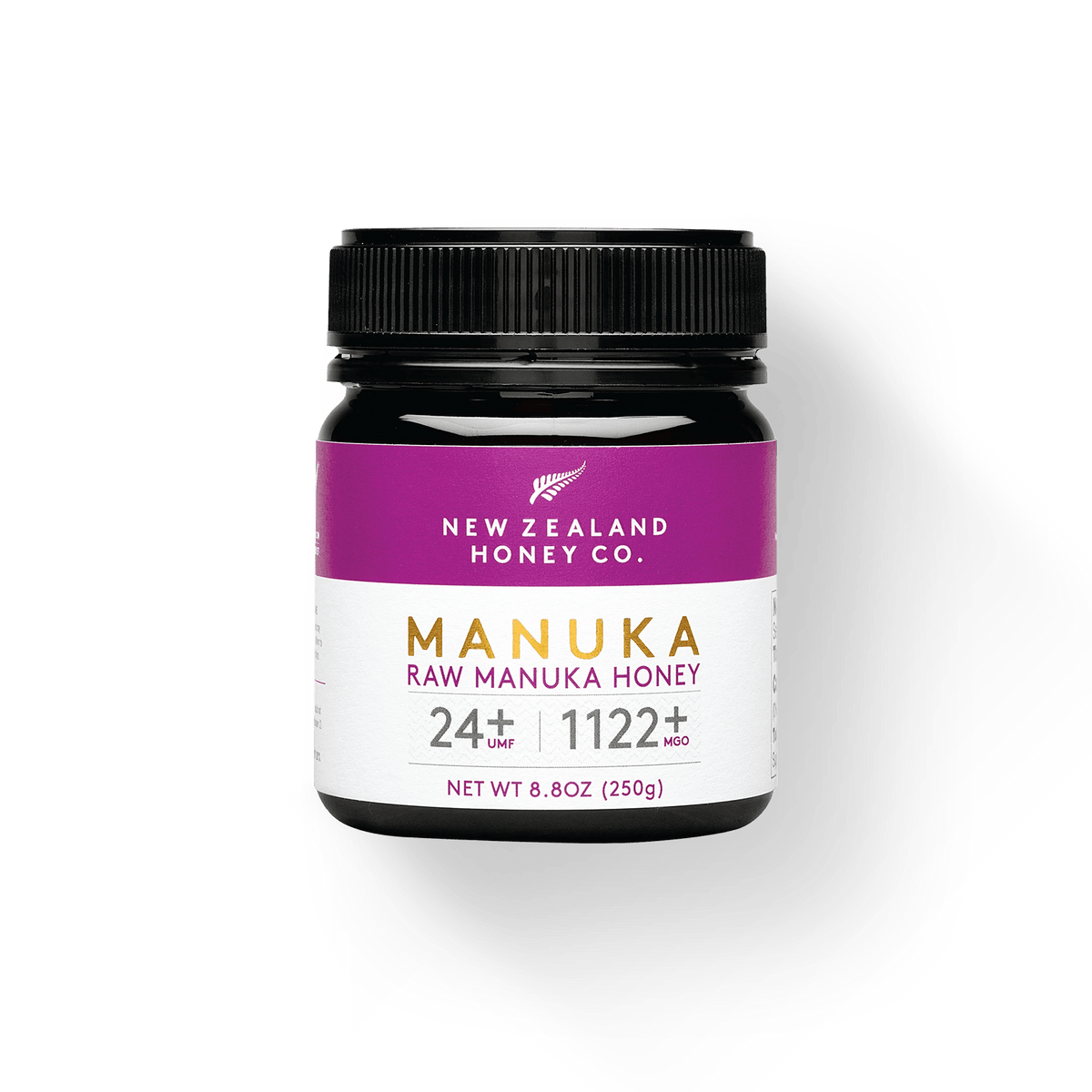
The UMF™ (Unique Manuka Factor) rating system is the gold standard for measuring Manuka Honey quality. It accounts for three key markers: MGO (methylglyoxal), Leptosperin (a marker of authentic Manuka floral source), and DHA. Only licensed producers can use the UMF™ trademark, and all products are independently tested and certified.For general daily wellness and respiratory support, a UMF™ 15+ (MGO 514+) or UMF™ 20+ (MGO 829+) provides a solid entry point. For those seeking more concentrated activity, particularly to support immune function during periods of higher respiratory vulnerability, Higher grades such as UMF™ 24+ (MGO 1122+) through to UMF™ 28+ (MGO 1450+) are premium options with the highest concentration of active compounds.Every jar of New Zealand Honey Co. Manuka Honey is traceable to the source via a unique QR code, so there is full transparency from hive to home.
Practical Applications: How to Use Manuka Honey for COPD Support
Incorporating Manuka Honey into a daily routine is straightforward. The key is consistency and choosing the right delivery method for respiratory support.
Simple Ways to Use Manuka Honey Daily
-
Morning Spoonful
Take one teaspoon Manuka Honey on an empty stomach each morning. This allows the honey to coat the throat and upper airways without being immediately diluted. Many regular users find this simple habit becomes a non-negotiable part of their morning routine.
-
Warm Honey Drink
Dissolve one teaspoon of Manuka Honey in warm (not boiling) water with a squeeze of lemon. Hot temperatures can degrade active compounds, so keep the water below 40 Degrees Celsius. This is especially comforting during colder months when respiratory symptoms tend to worsen.
-
Manuka Soothing Drops
For on-the-go throat relief and airway soothing, Manuka Soothing Drops (MGO 250+) offer a convenient format. These are particularly useful for managing the irritating dry cough that often accompanies COPD.
-
Before Bed Ritual
A small spoonful of Manuka Honey before bed may help soothe overnight coughing and throat irritation. Some users find this supports more comfortable sleep, which is a common challenge for those with respiratory conditions.
-
Added to Herbal Tea
Stir Manuka Honey into chamomile, ginger, or thyme tea for an added layer of respiratory support. These herbal teas have their own traditional associations with respiratory comfort, making them a natural pairing.
Important Health Note
- Manuka Honey is a complementary wellness addition and is not a substitute for prescribed COPD medications or pulmonary rehabilitation.
- Always consult your healthcare provider before introducing new supplements to your routine, especially if you are managing a chronic condition.
- People with diabetes should monitor blood sugar when consuming honey regularly, as it does contain natural sugars.
- Do not give honey to children under 12 months of age.
Can Manuka Honey actually help with COPD symptom relief?
Manuka Honey is not a treatment for COPD, and it will not reverse lung damage or replace prescribed medications. However, its antimicrobial, anti-inflammatory, and soothing properties may help support respiratory health as part of a complementary wellness approach. Specifically, it may help reduce the severity of throat irritation, support the body's defences against respiratory infections that trigger exacerbations, and contribute to a general sense of wellbeing. Those who use it regularly often report noticing a difference in day-to-day comfort. Always discuss with your GP or respiratory specialist before adding it to your routine.
Which UMF™ grade is best for respiratory health honey benefits?
For general respiratory and immune support, a UMF™ 15+ (MGO 514+) or UMF™ 20+ (MGO 829+) is a practical starting point. For those wanting more concentrated antimicrobial and anti-inflammatory activity, UMF™ 15+ (MGO 514+) to UMF™ 20+ (MGO 829+) are well-suited. Higher grades such as UMF™ 24+ (MGO 1122+) through to UMF™ 28+ (MGO 1450+) provide the greatest concentration of active compounds and are preferred by those with a more dedicated wellness focus. All grades from New Zealand Honey Co. are independently tested and certified under the UMF™ standard.
How do I know I am buying authentic Manuka Honey with genuine benefits?
Look for the UMF™ trademark on the label. This guarantees the honey has been independently tested and certified by the UMF Honey Association. Also check that the MGO level is clearly stated on the label, as this is the primary marker of bioactive potency. New Zealand Honey Co. includes a QR code on every jar that allows customers to trace the product directly to its source, providing full transparency and peace of mind. Avoid products that do not display a verifiable UMF™ rating or stated MGO level.
A Natural Addition to Your Respiratory Wellness Routine
Managing COPD requires a multi-layered approach. Prescribed treatments, lifestyle adjustments, pulmonary rehabilitation, and careful attention to triggers all play a role. Authentic Manuka Honey, optimised for everyday wellness and independently tested and certified under the UMF™ standard, offers a natural, evidence-informed addition to that broader picture.Its antimicrobial properties¹ may help guard against the respiratory infections that so often trigger COPD exacerbations. Its anti-inflammatory compounds³ may contribute to airway comfort. And its simple, daily-use format makes it easy to incorporate into a routine that already demands a great deal. So, if you are looking for natural COPD support that is pure, authentic, and traceable to the source, it is worth giving Manuka Honey a go.
Support Your Respiratory Wellness with Authentic Manuka Honey
Explore New Zealand Honey Co.'s range of UMF™-certified Manuka Honey, independently tested and traceable to the source. From UMF™ 10+ for everyday wellness to UMF™ 28+ for premium potency, there is a grade to support your journey.
Shop Manuka Honey¹ Honey and health: a review of recent clinical research, National Library of Medicine.
² Manuka honey: a potent cariostatic agent, National Library of Medicine.
³ Immunomodulatory responses, National Library of Medicine.
⁴ Honey: its medicinal property and antibacterial activity, National Library of Medicine.
